
Look Back (2024)


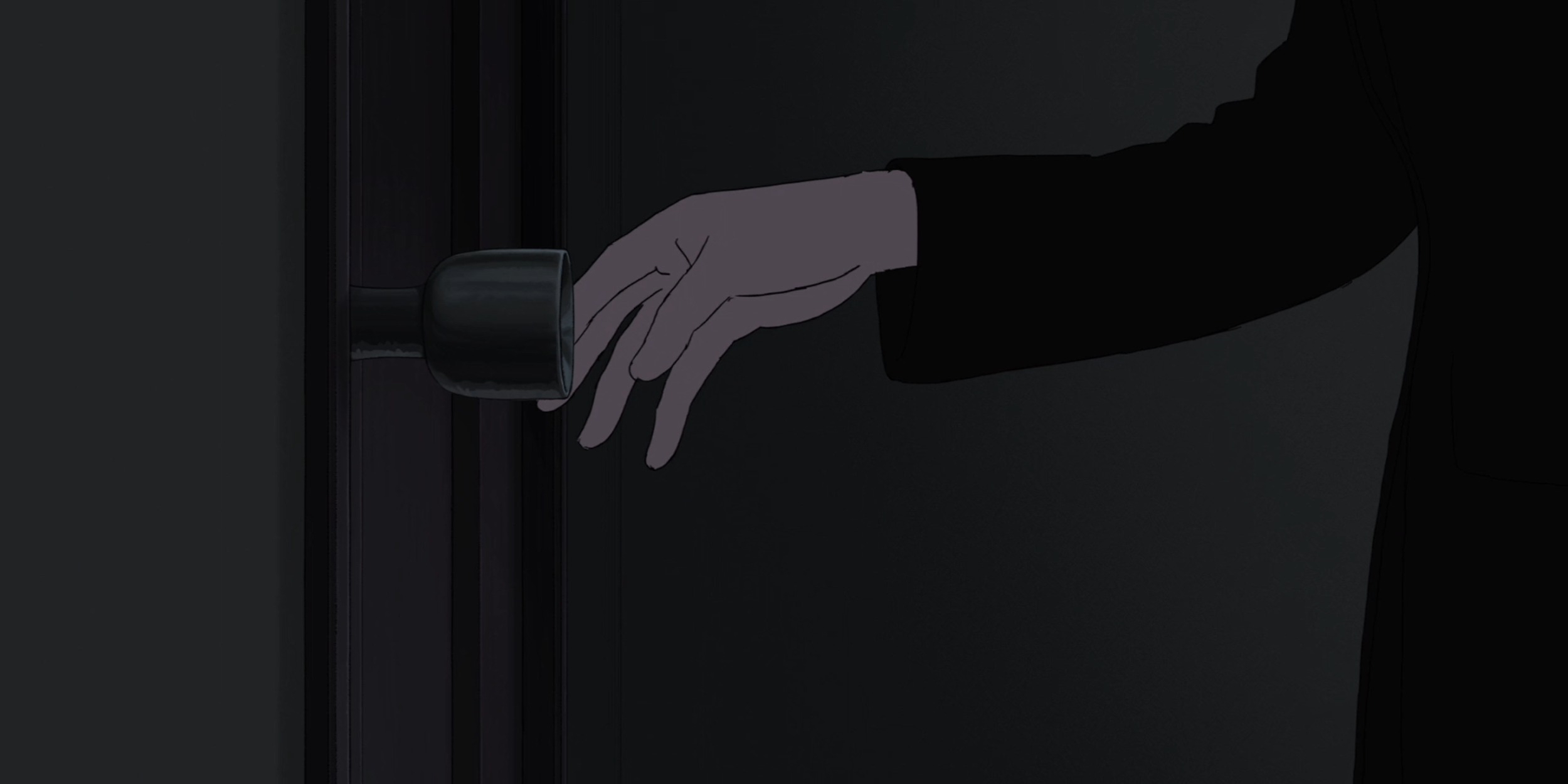
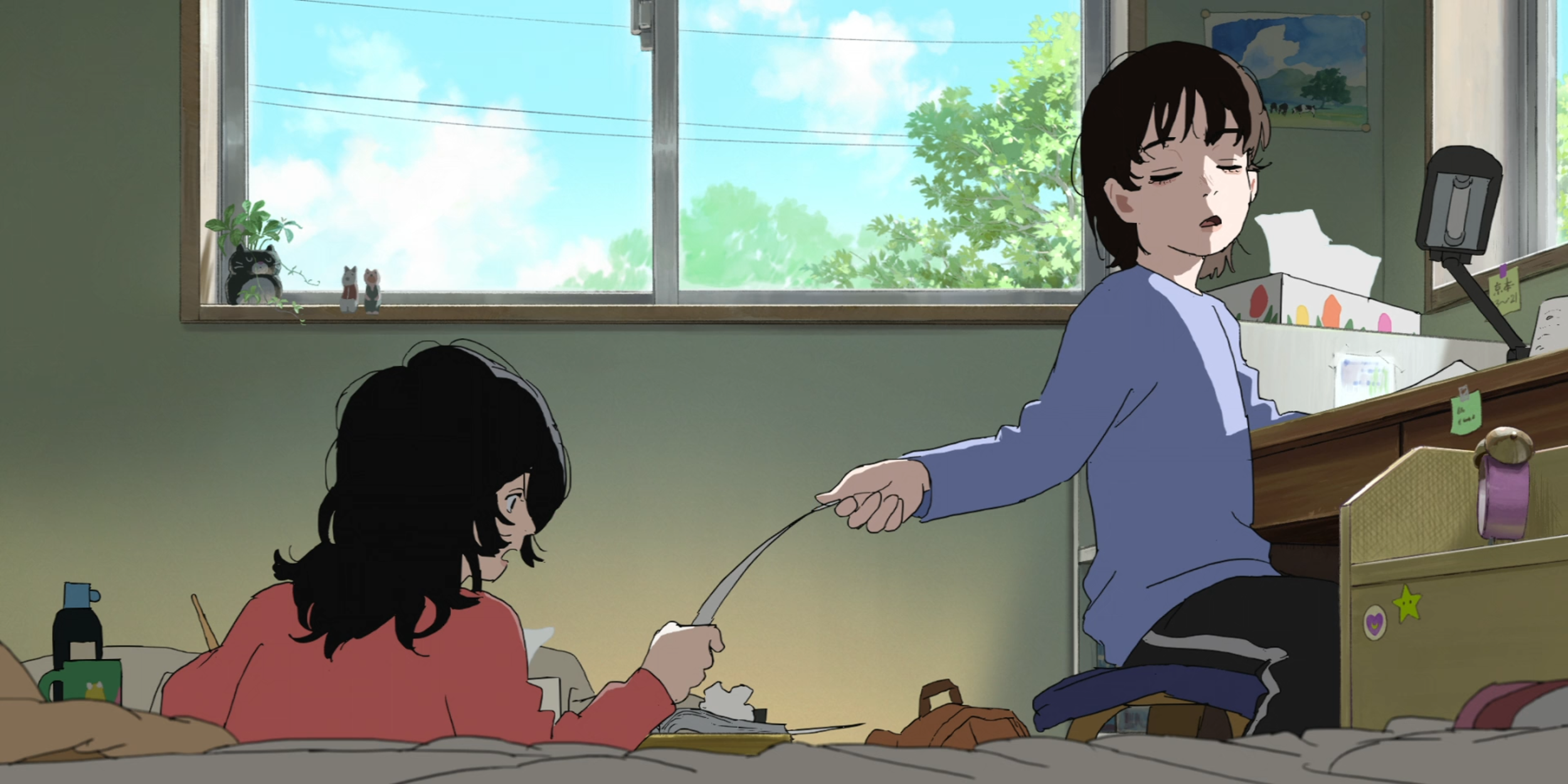
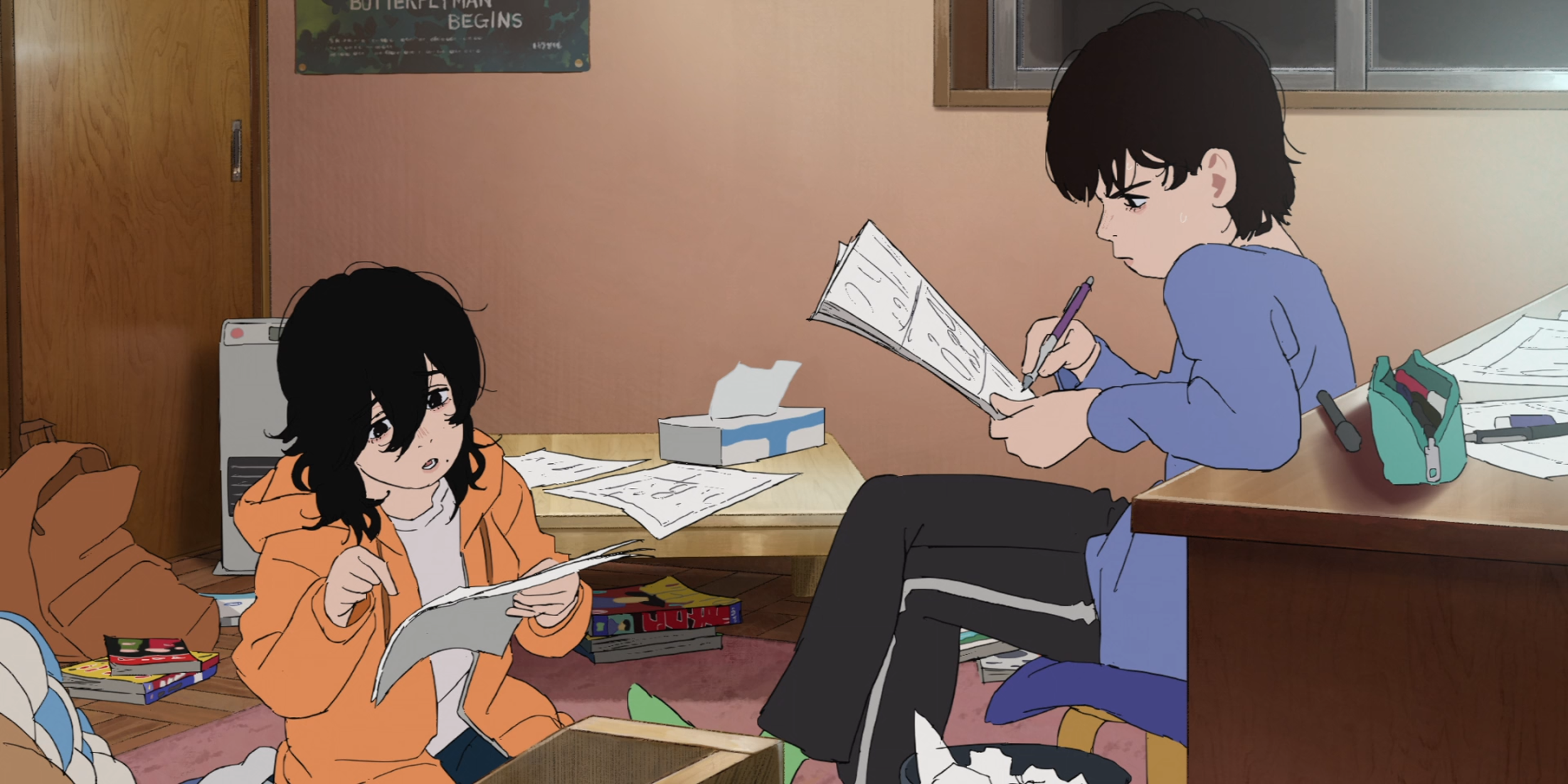
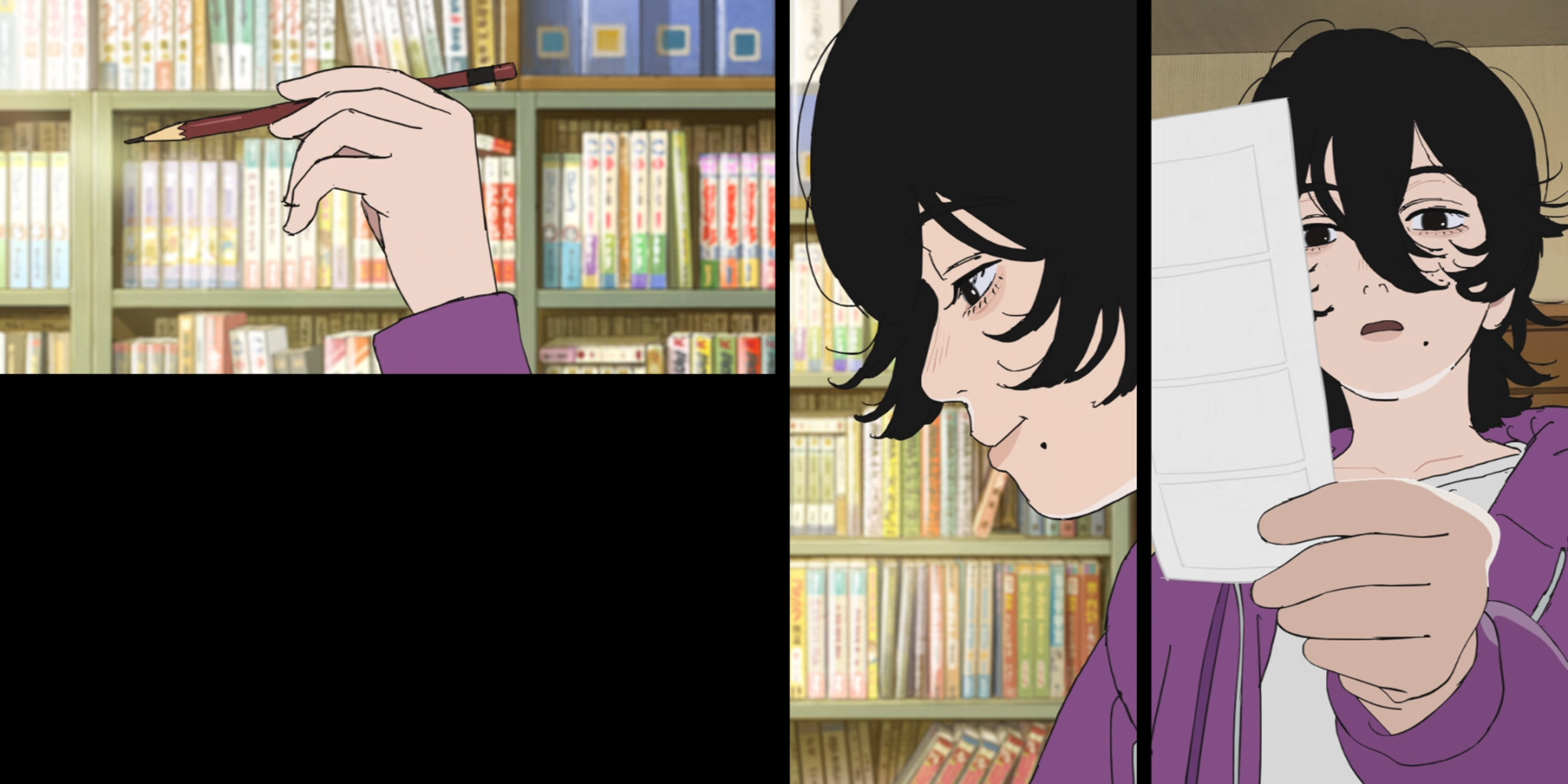
Where does the love of manga take us?
Presentation:
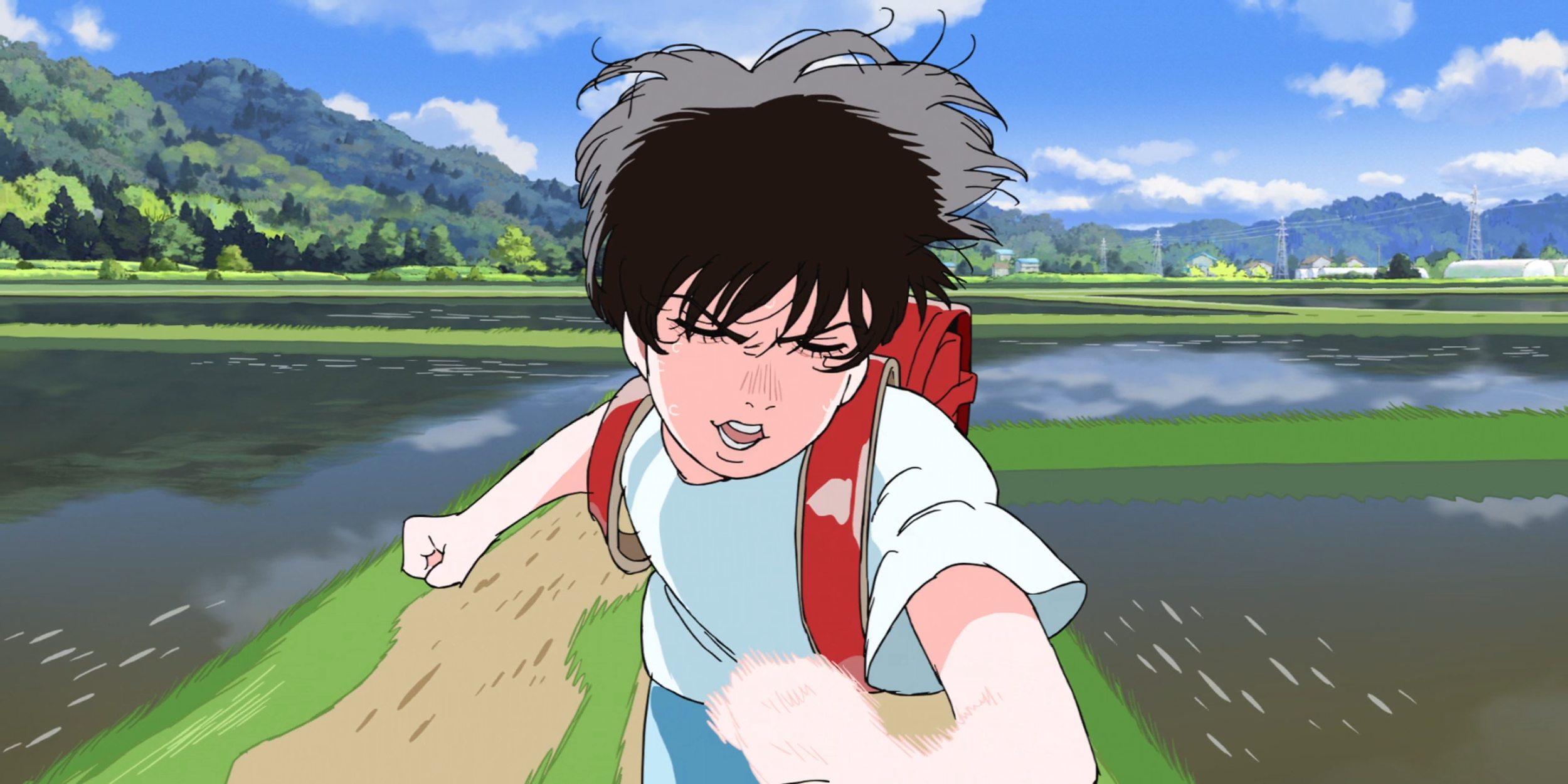
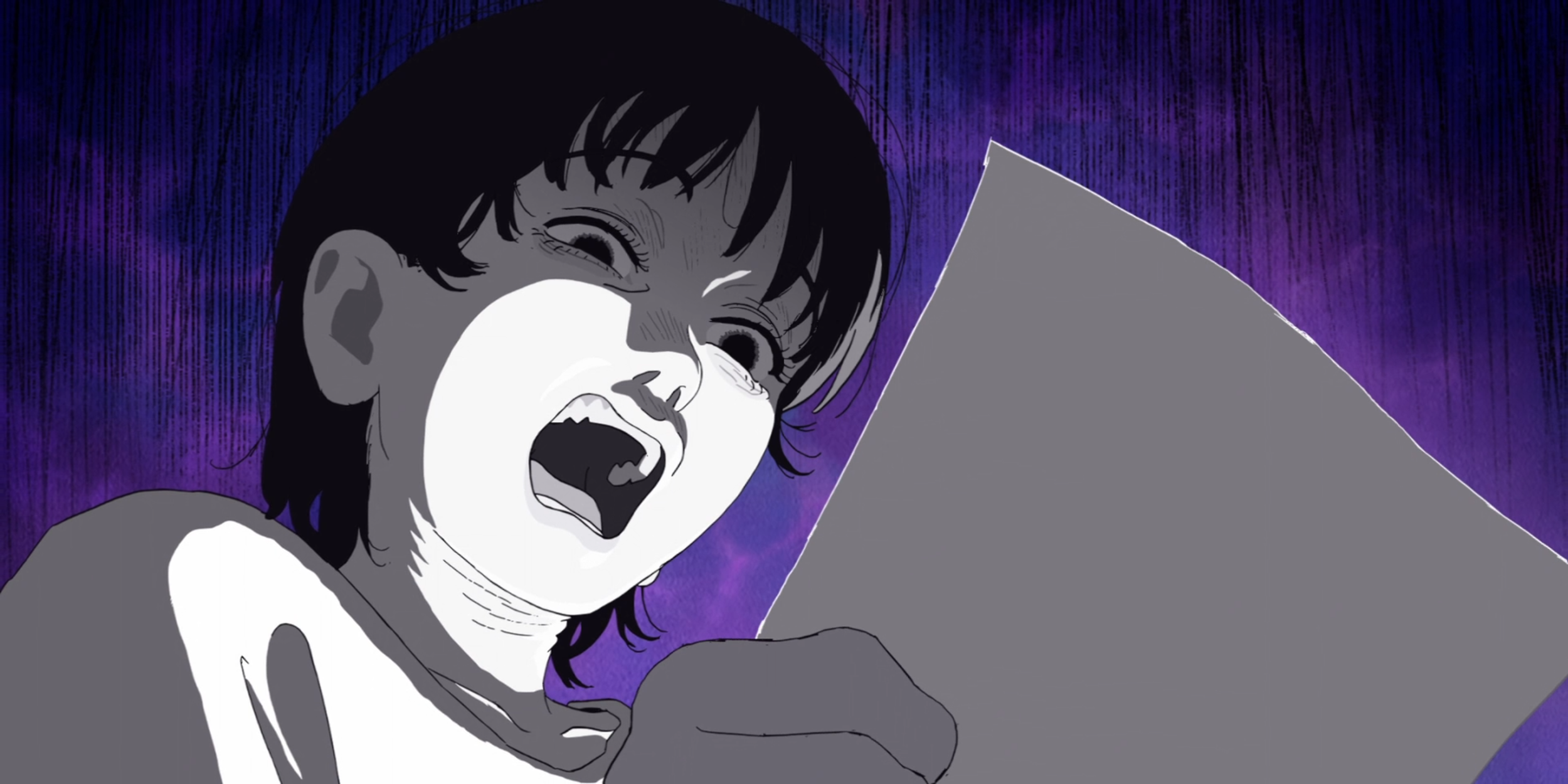
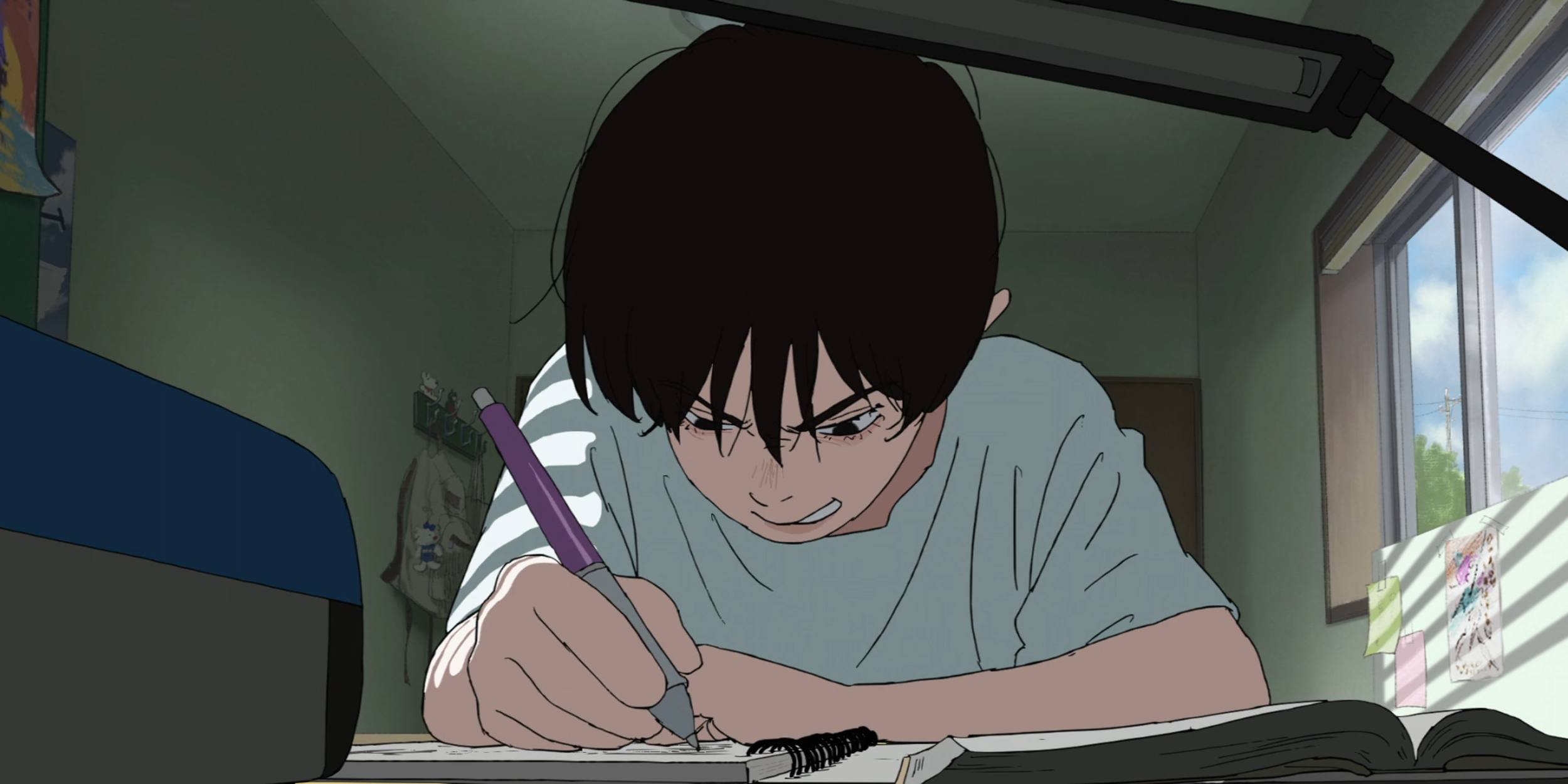
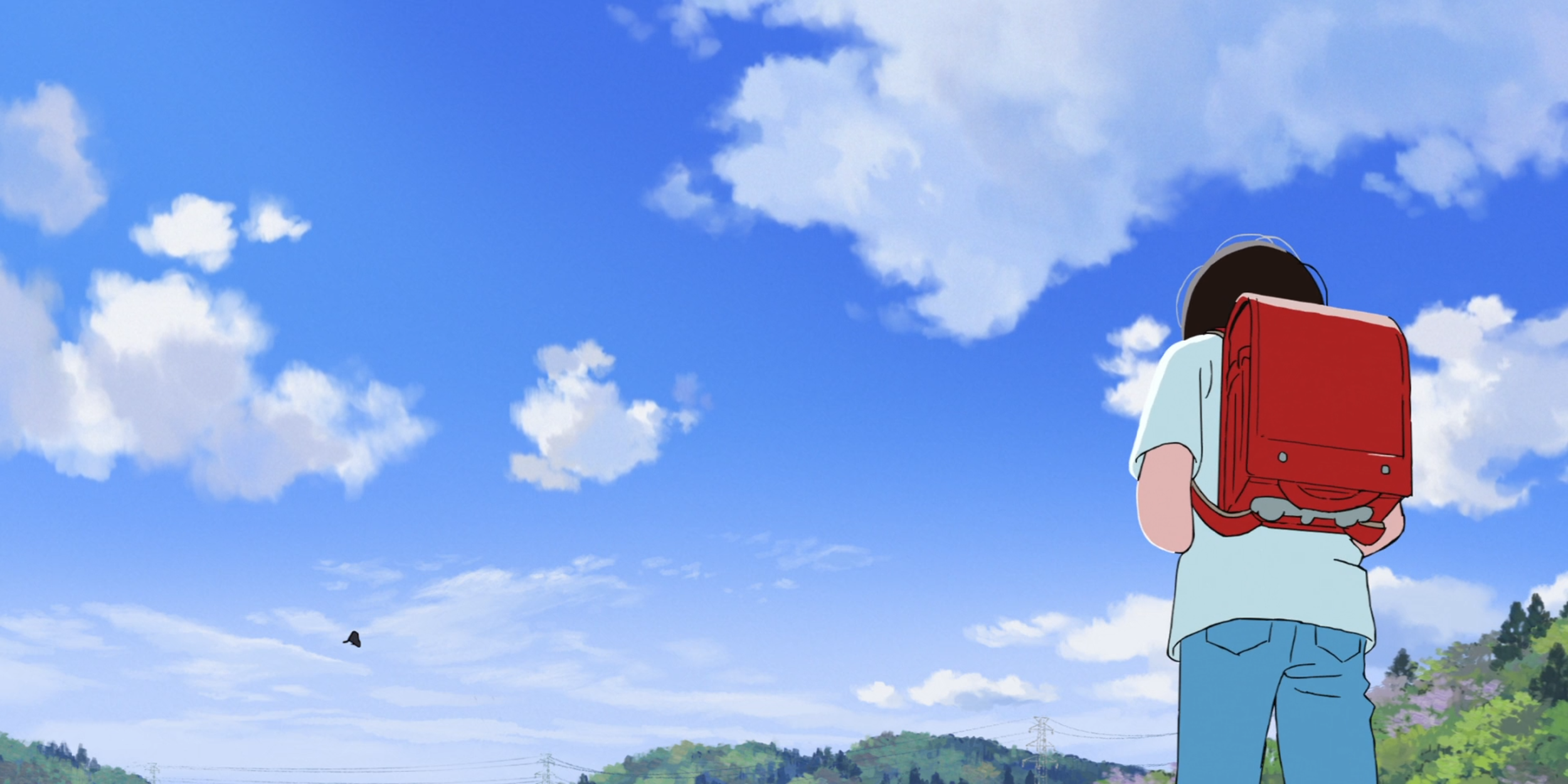
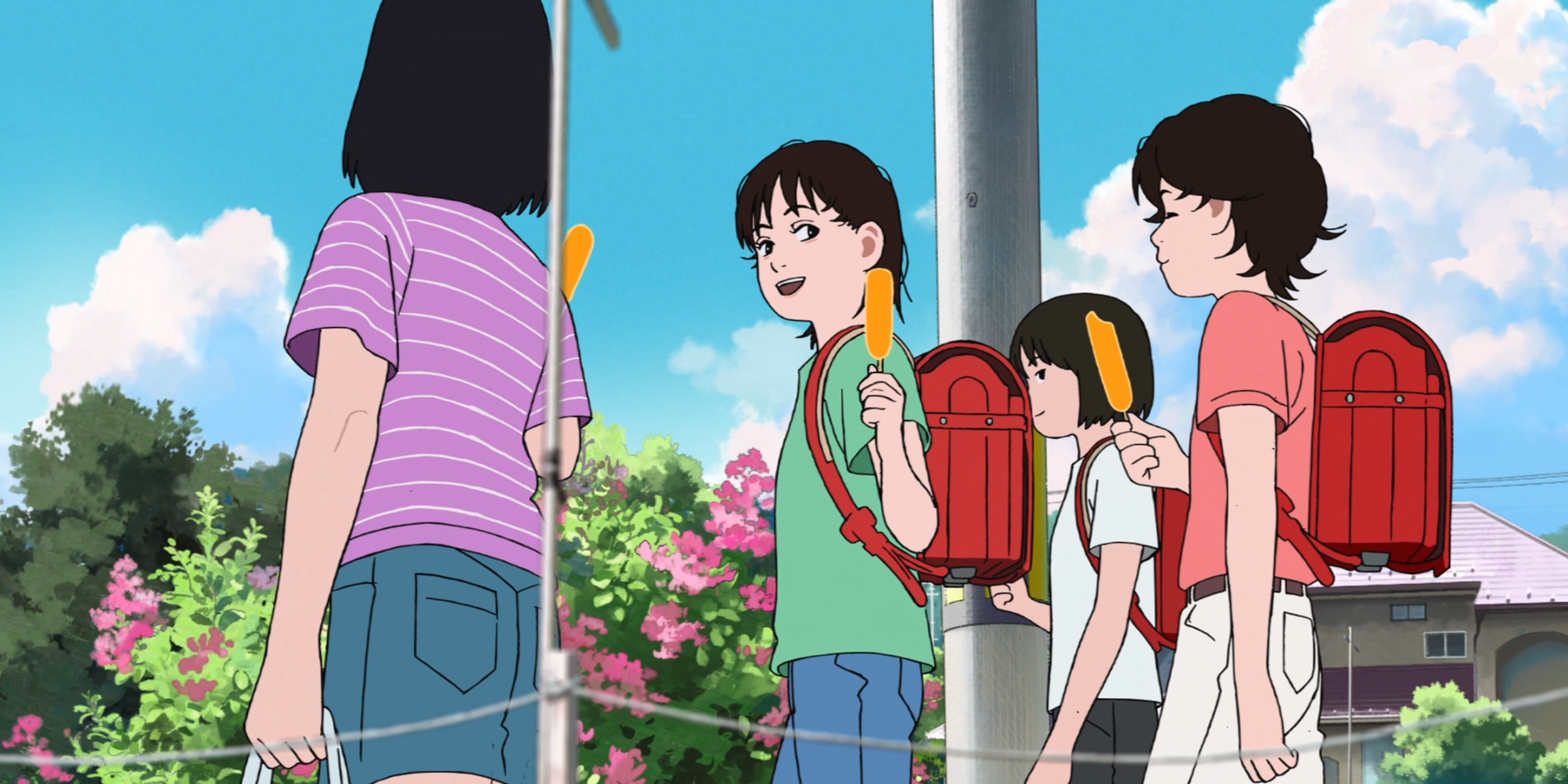
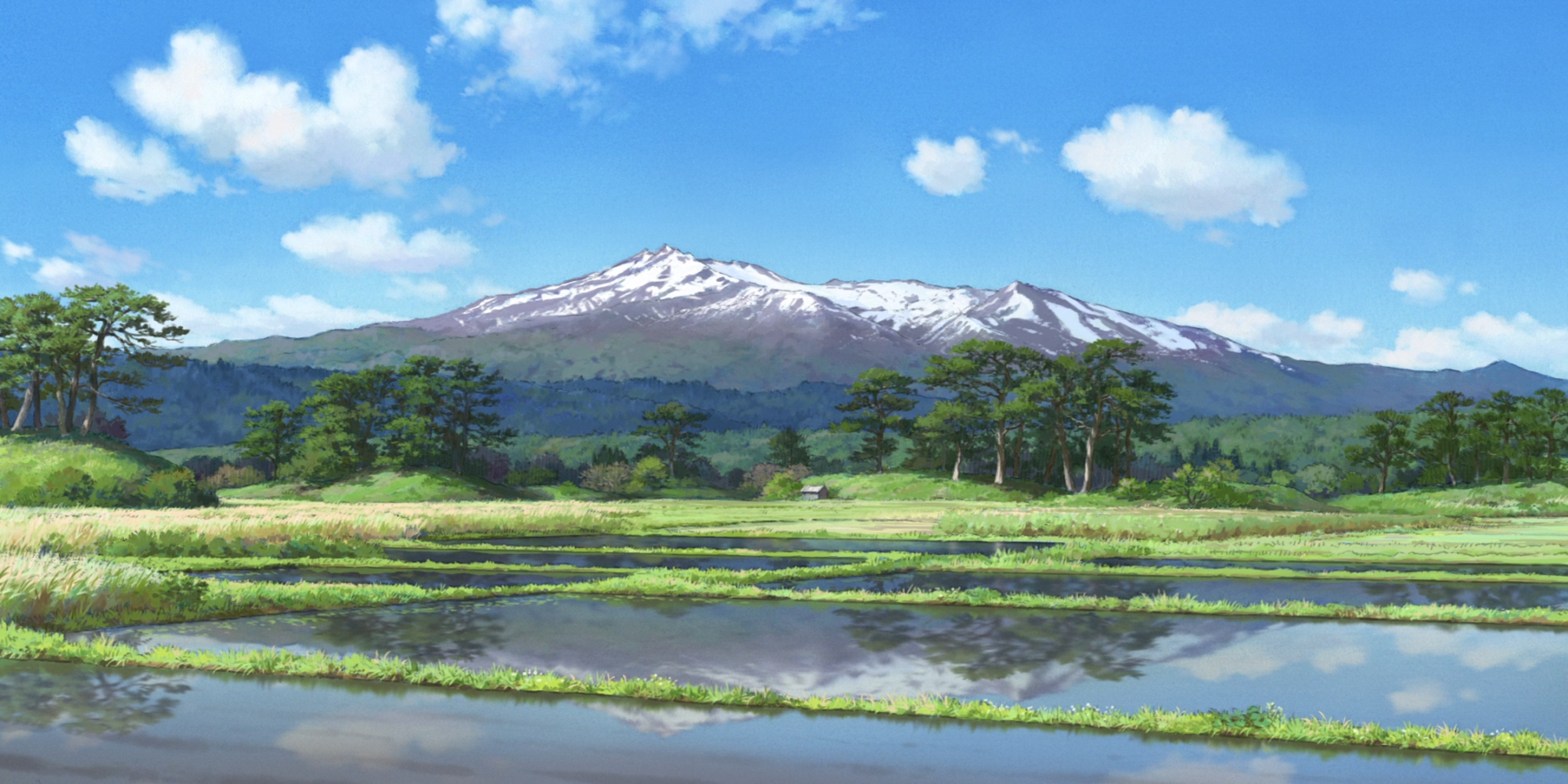
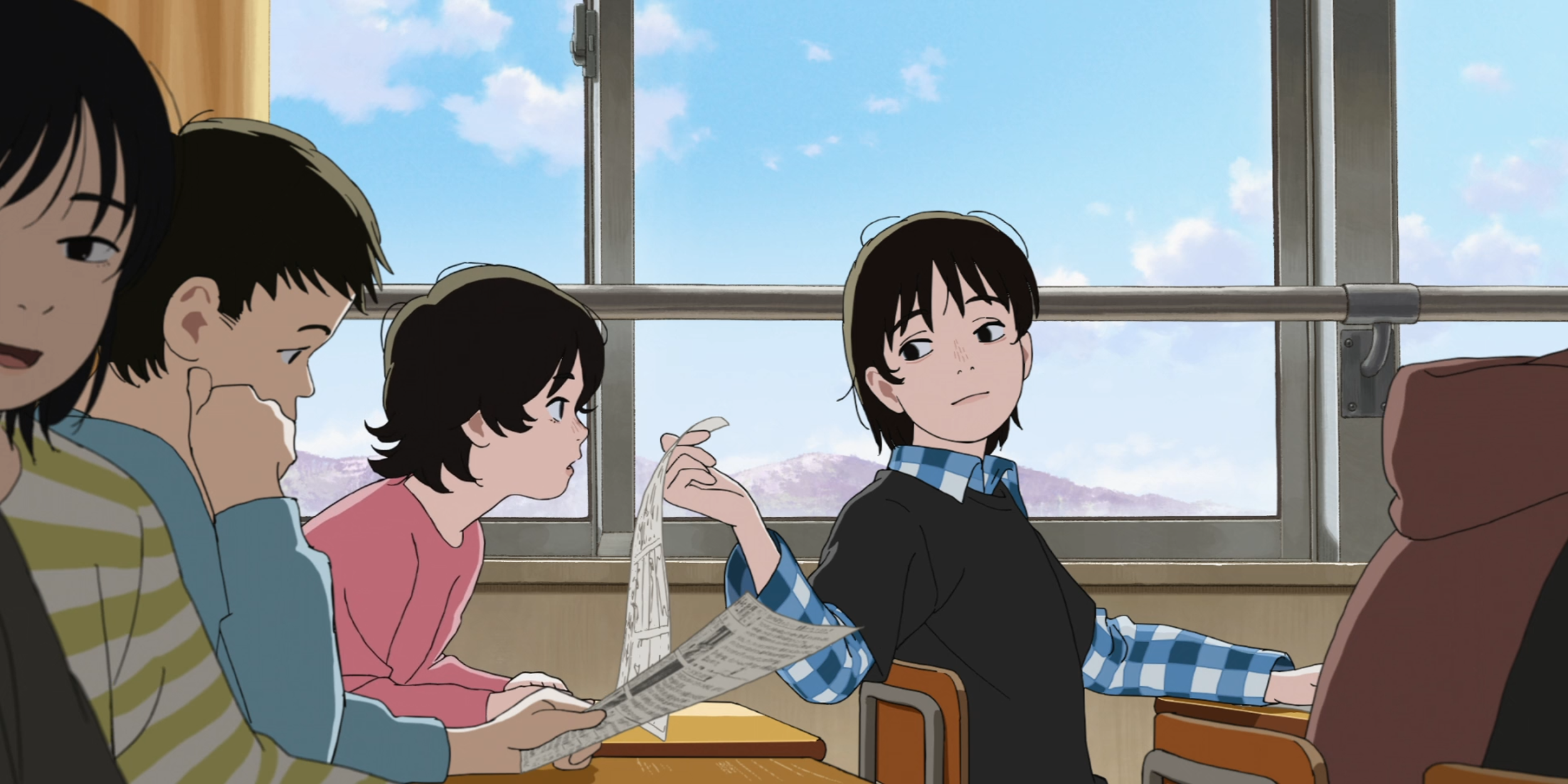
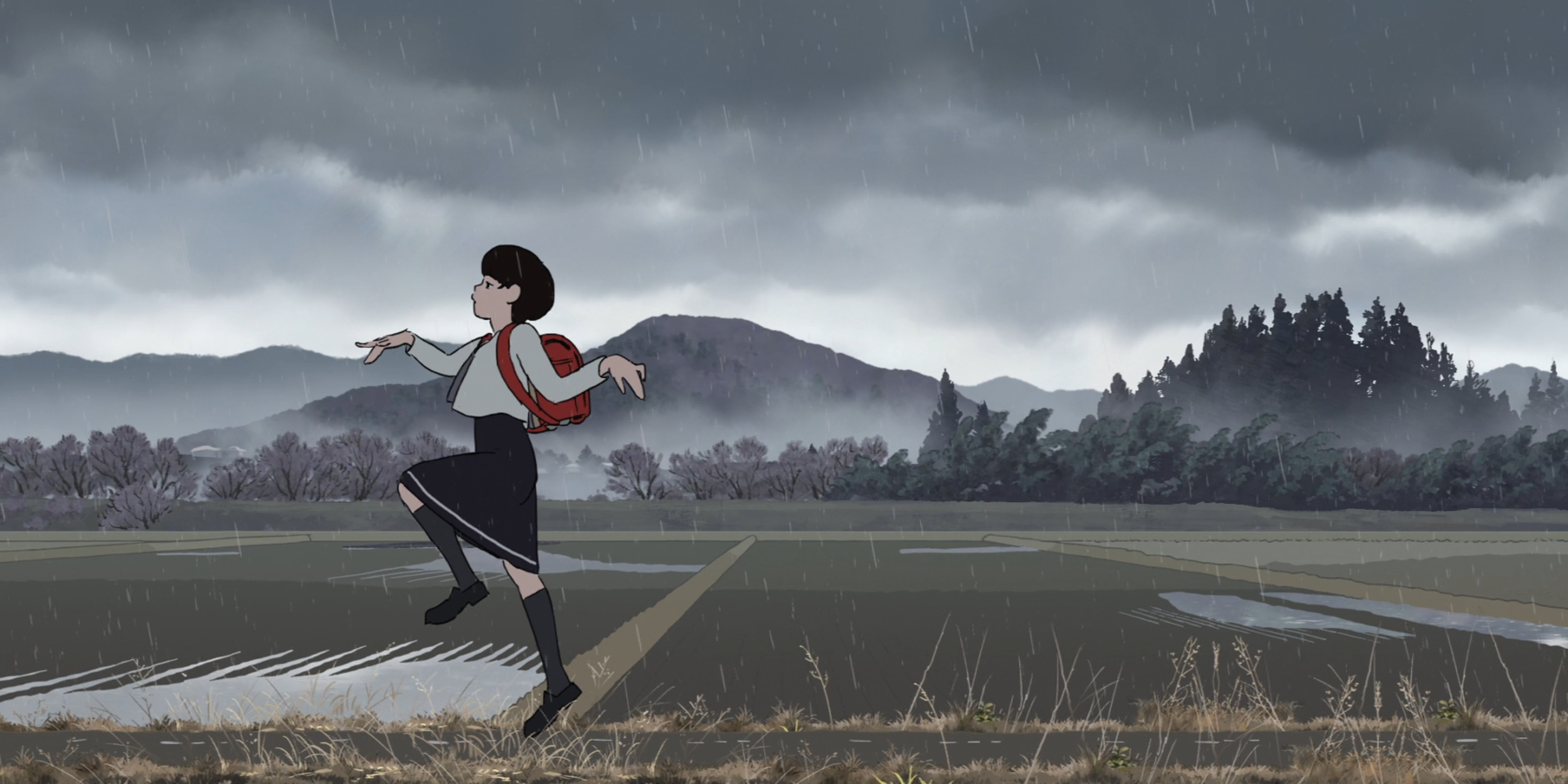
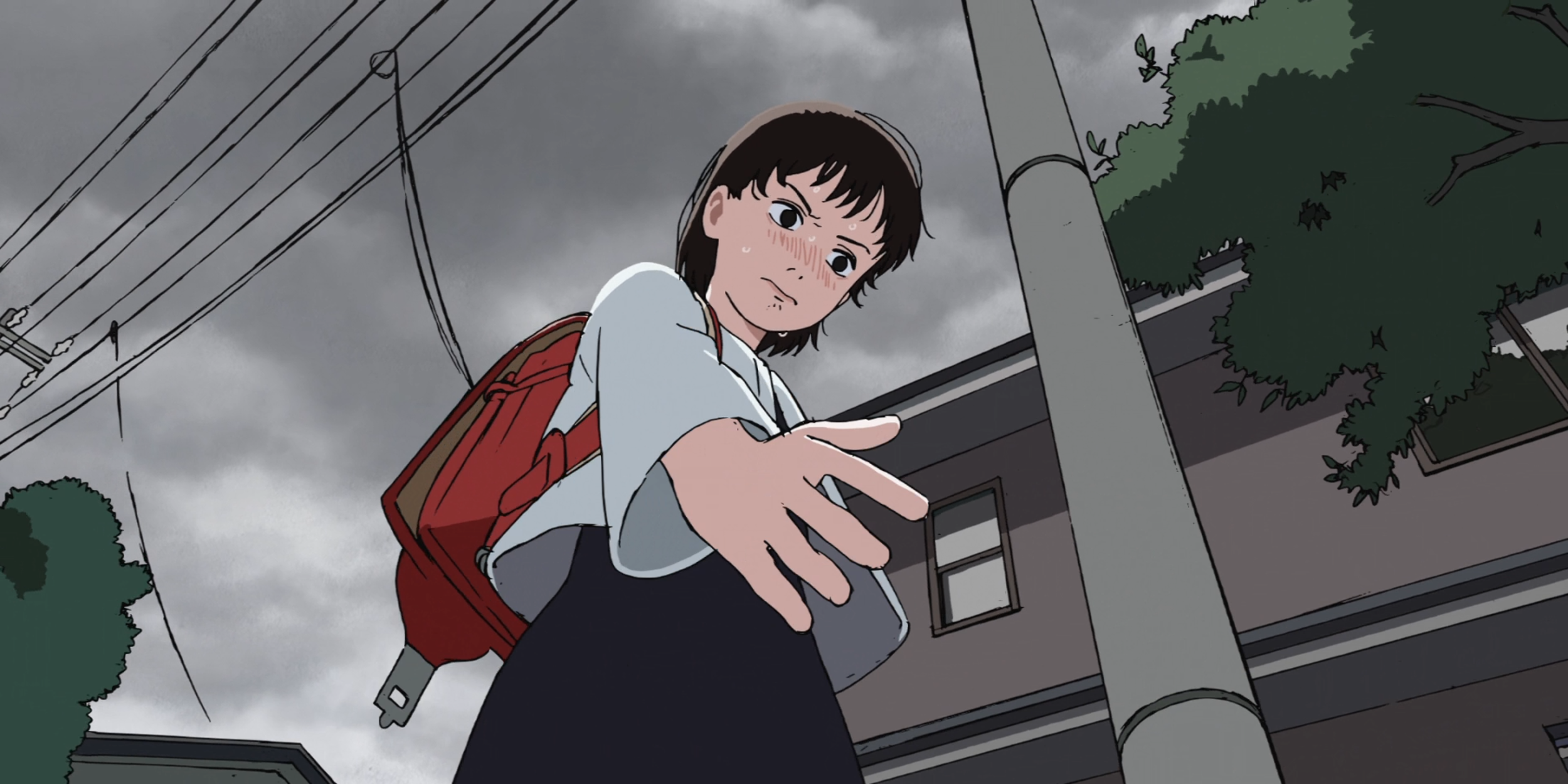
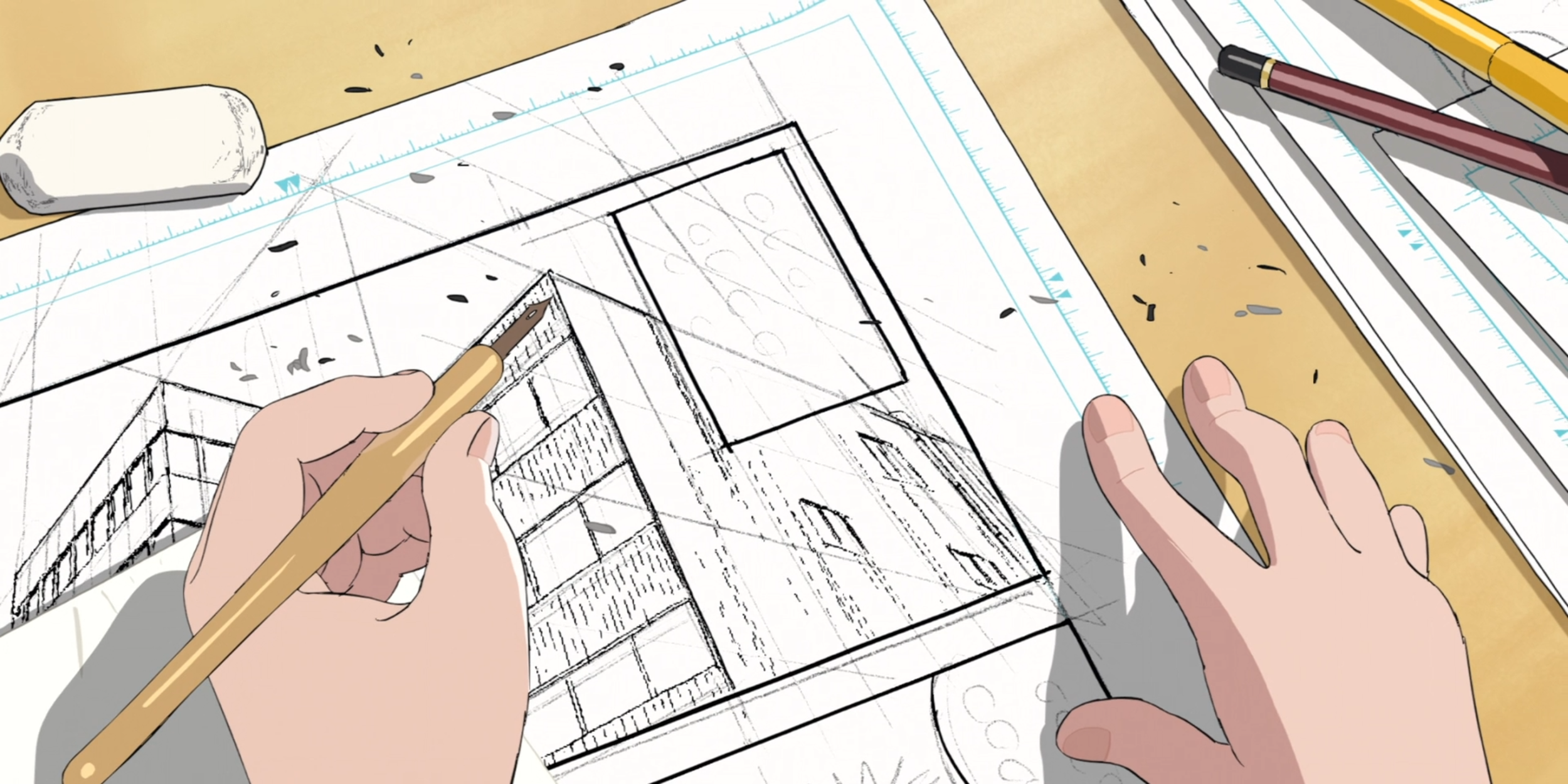
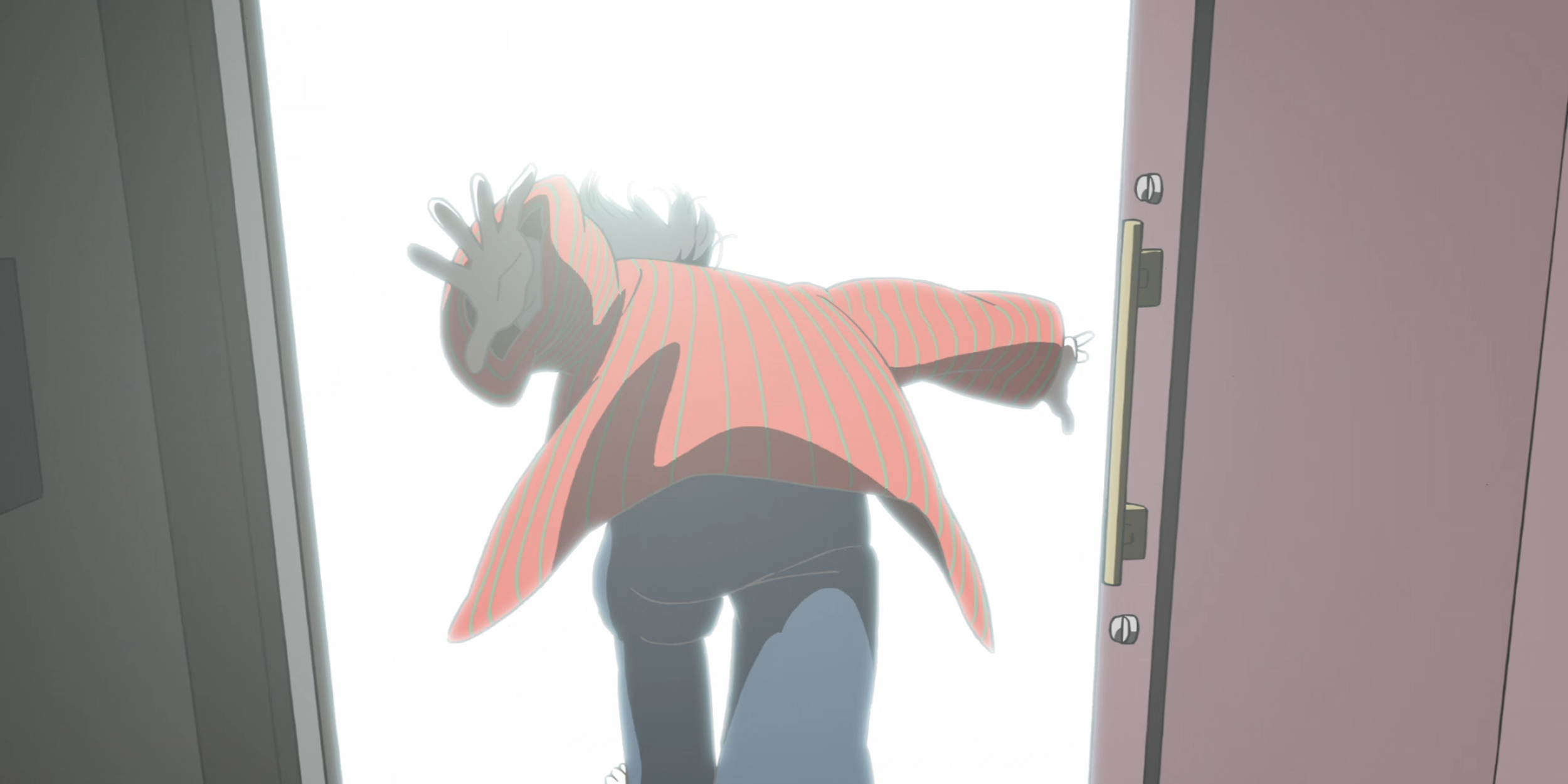
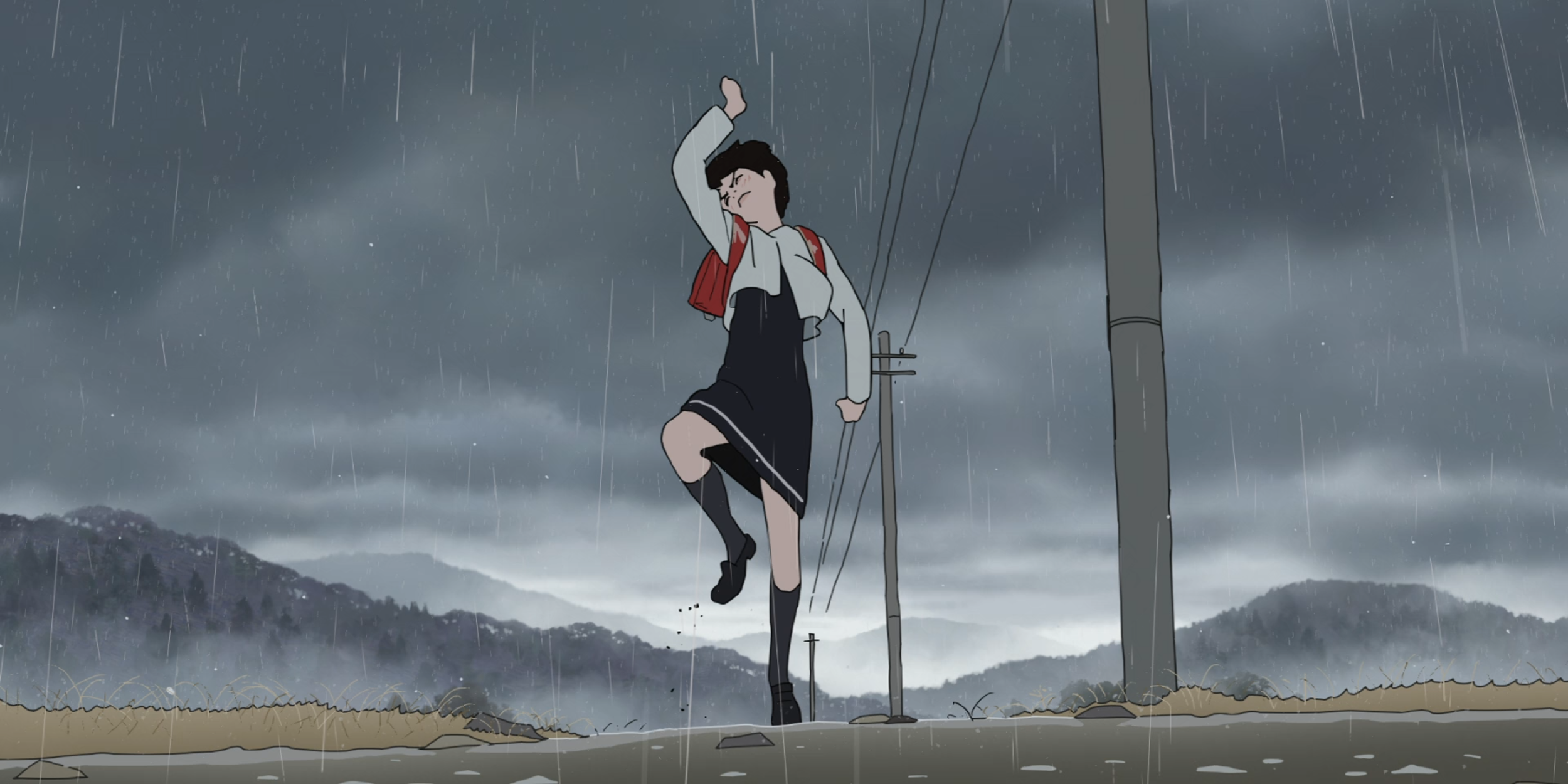
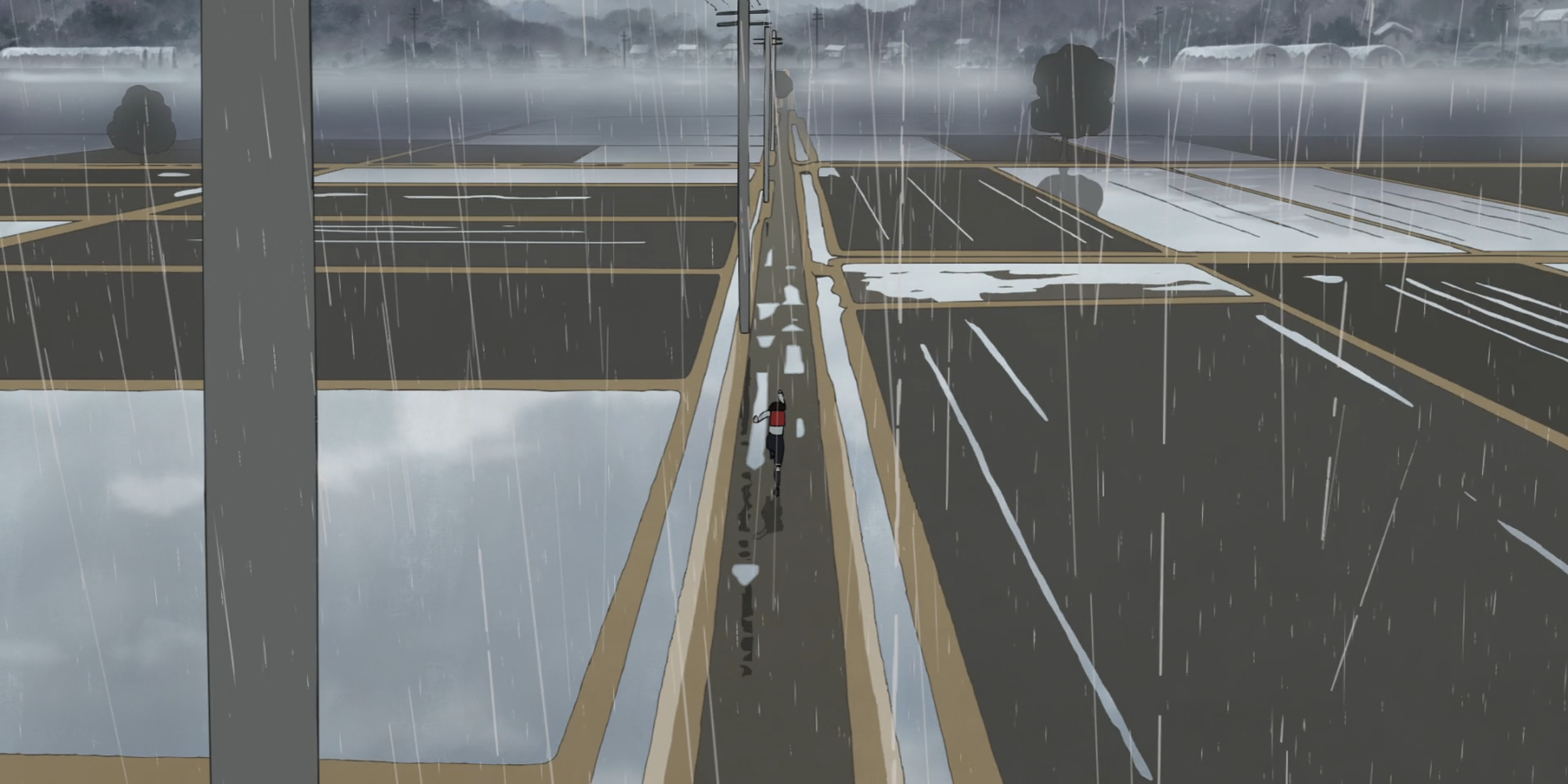
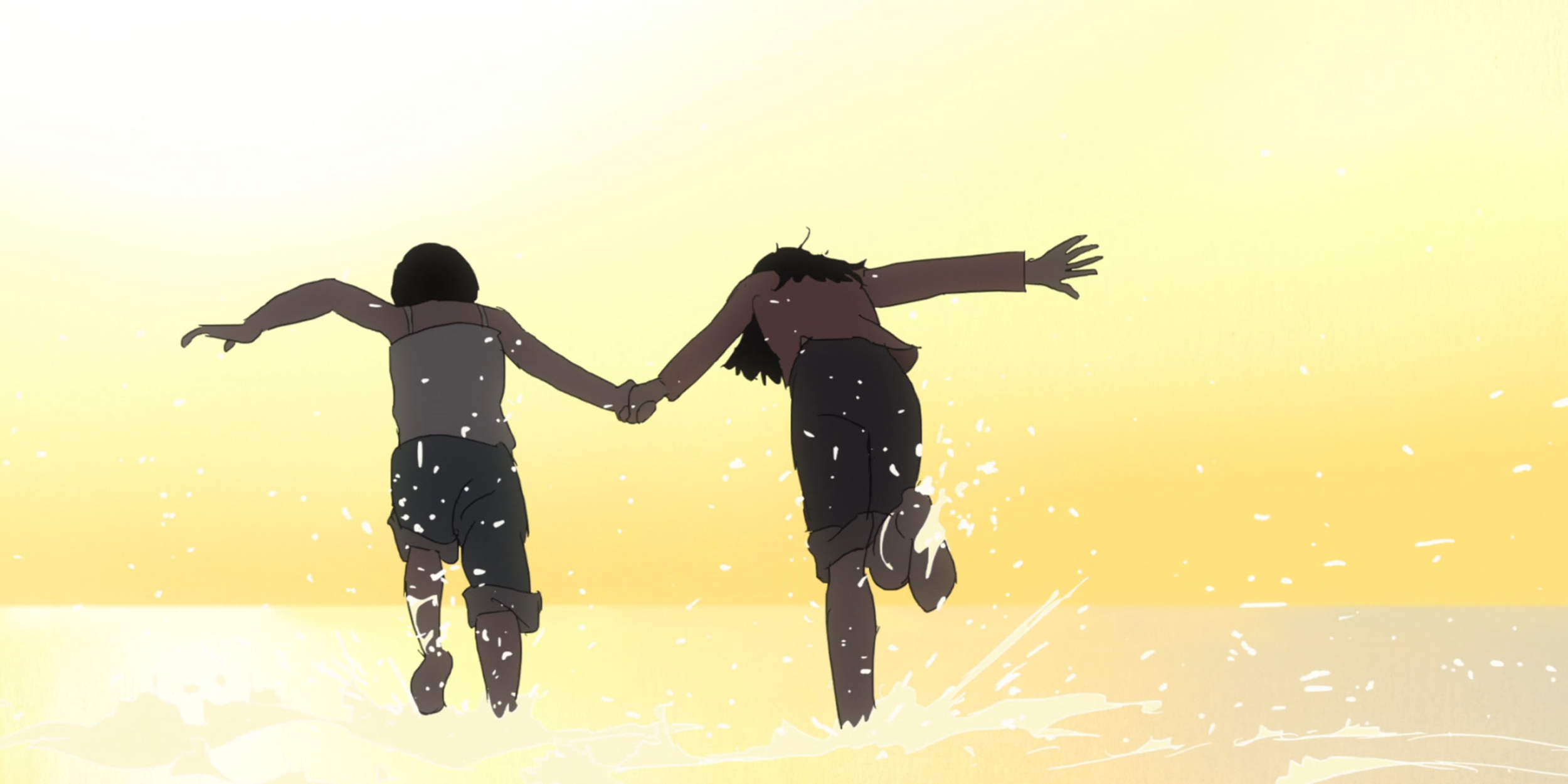
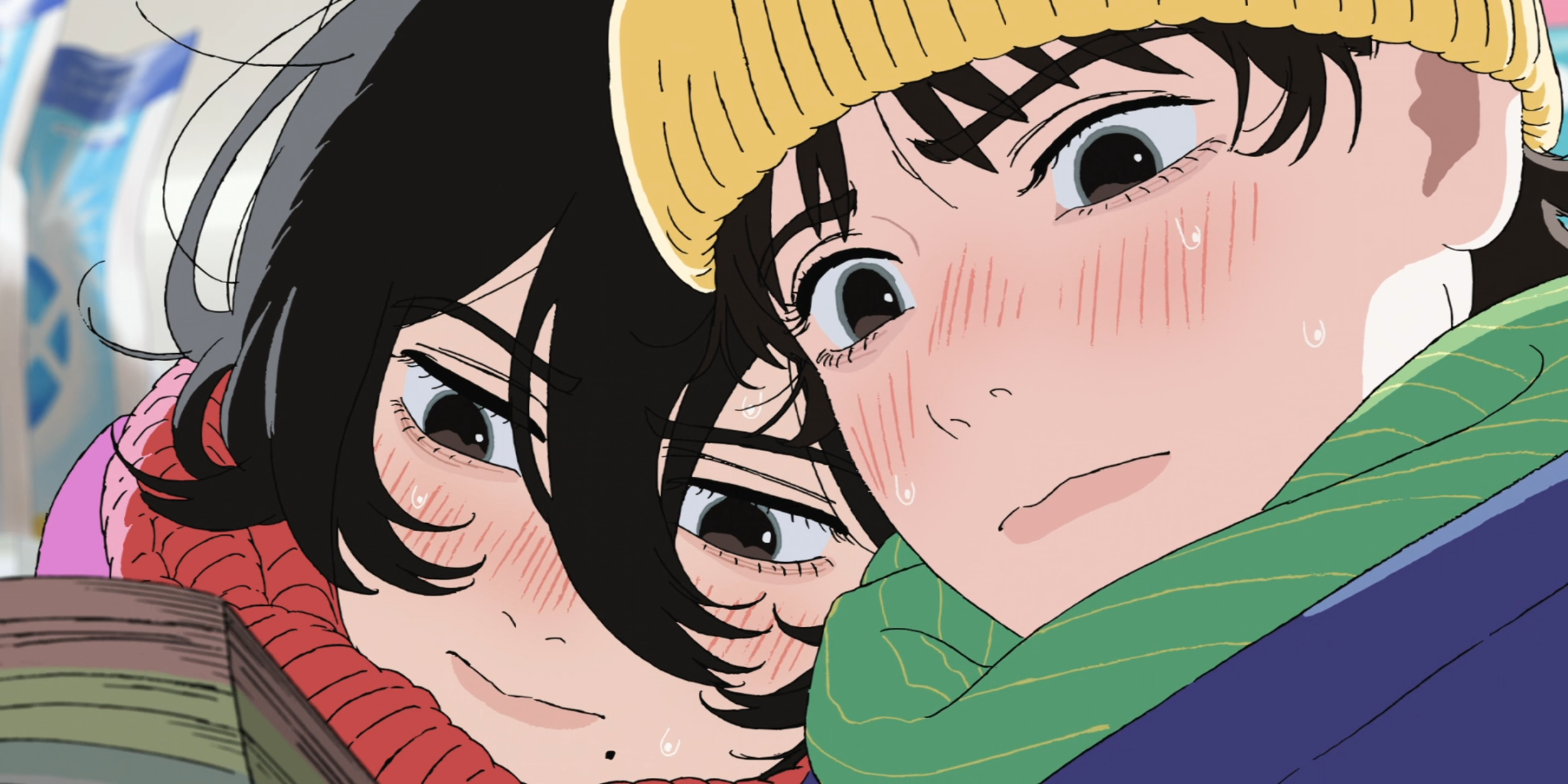
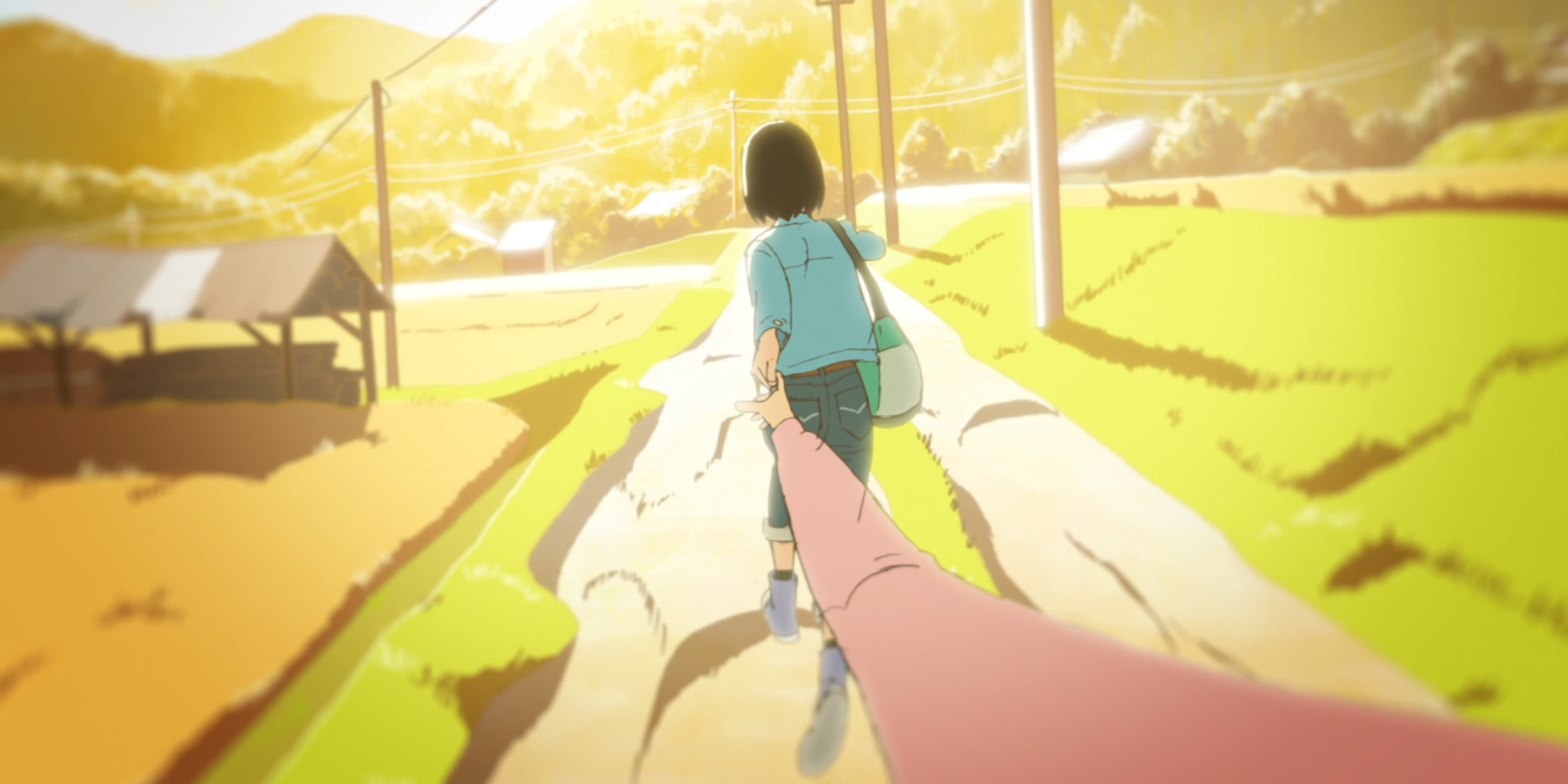
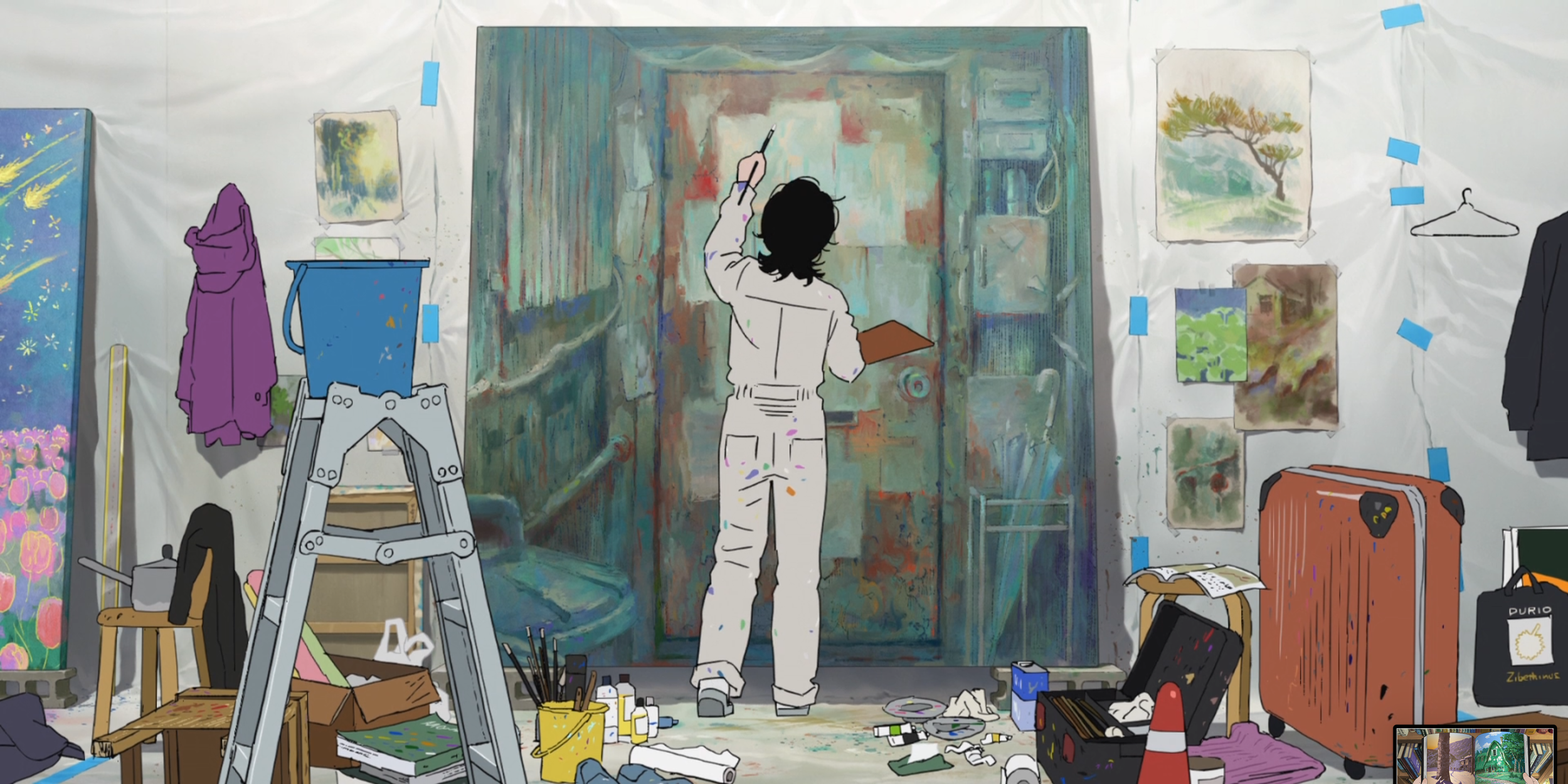
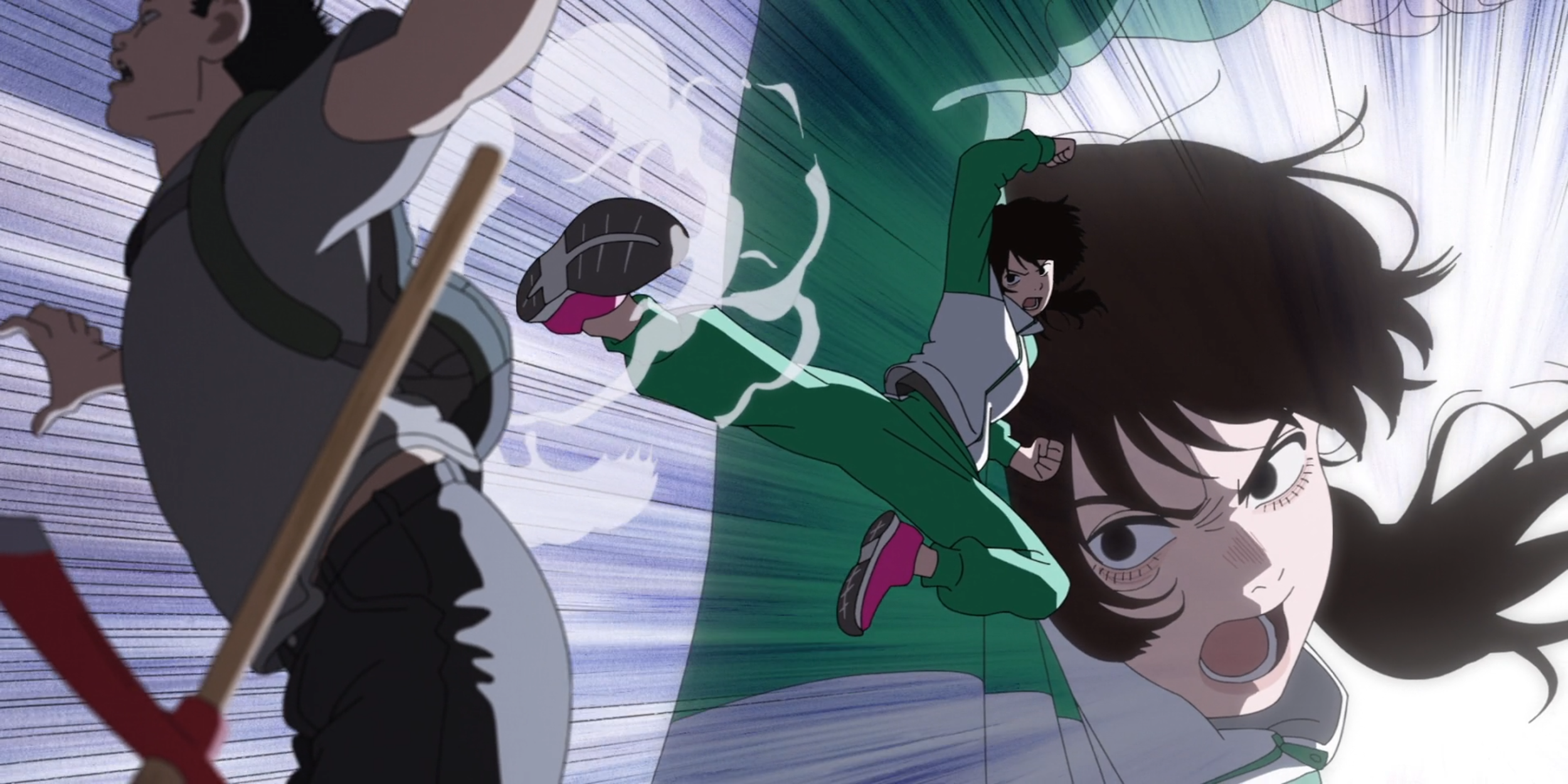
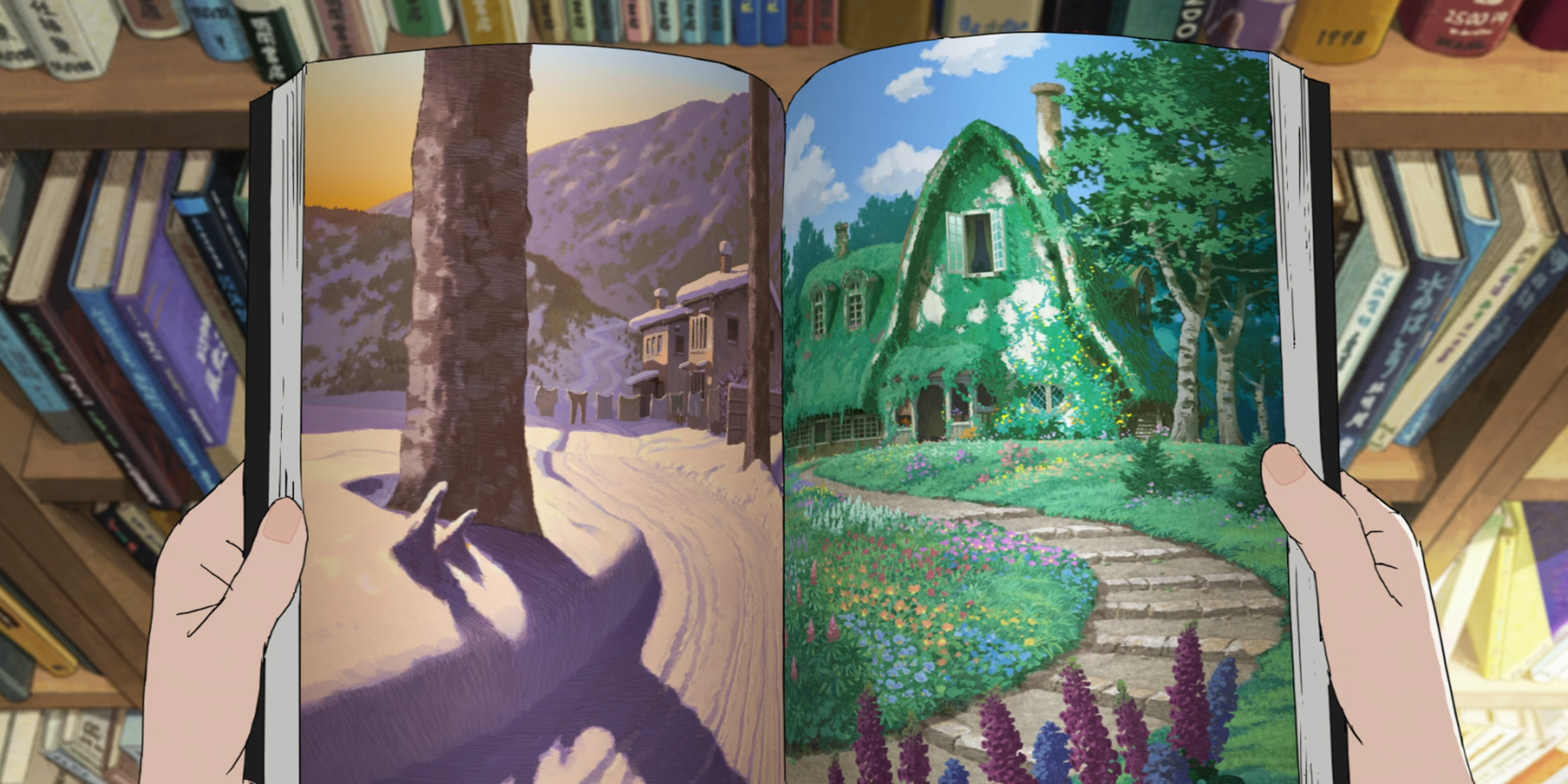
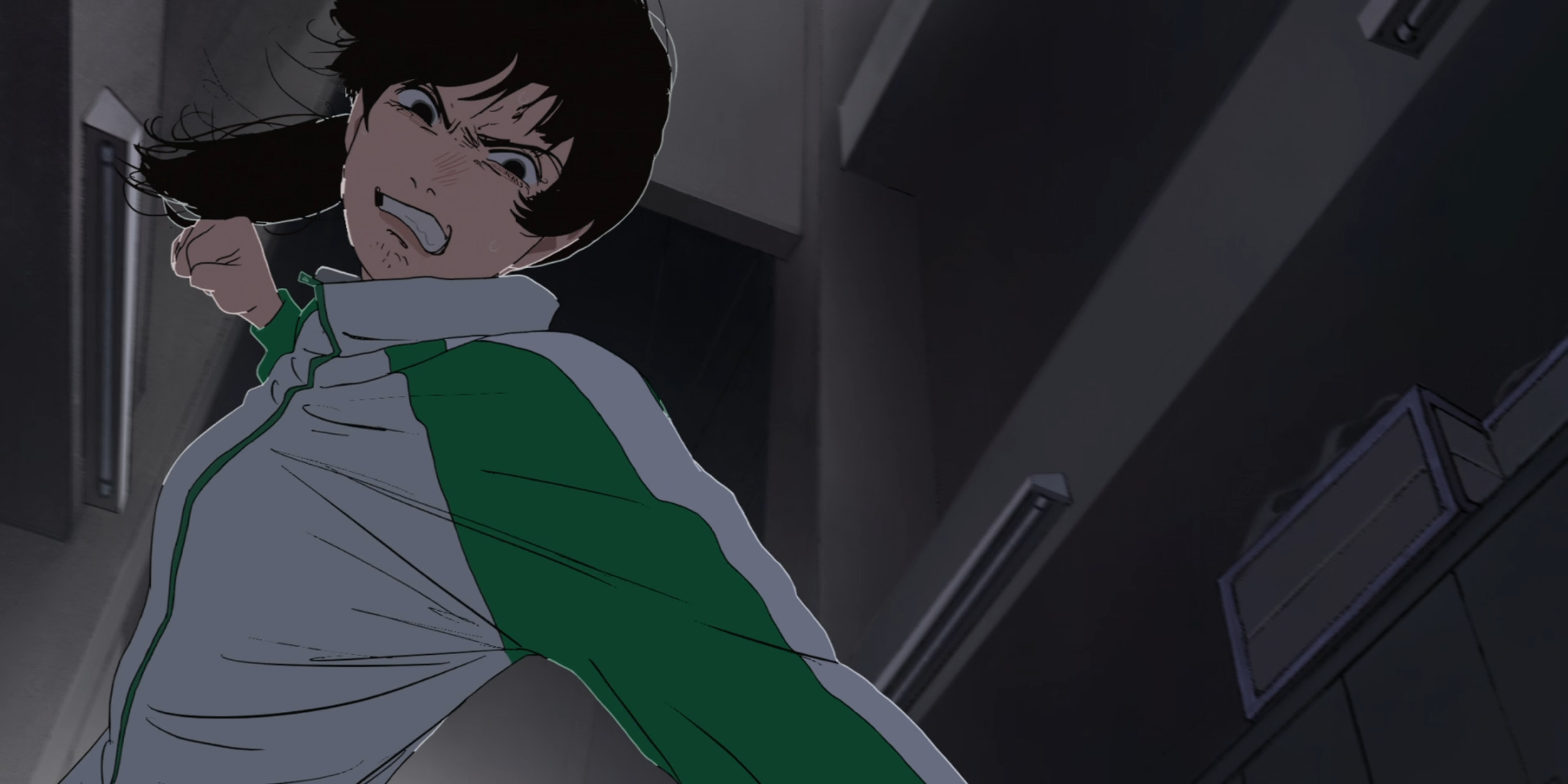
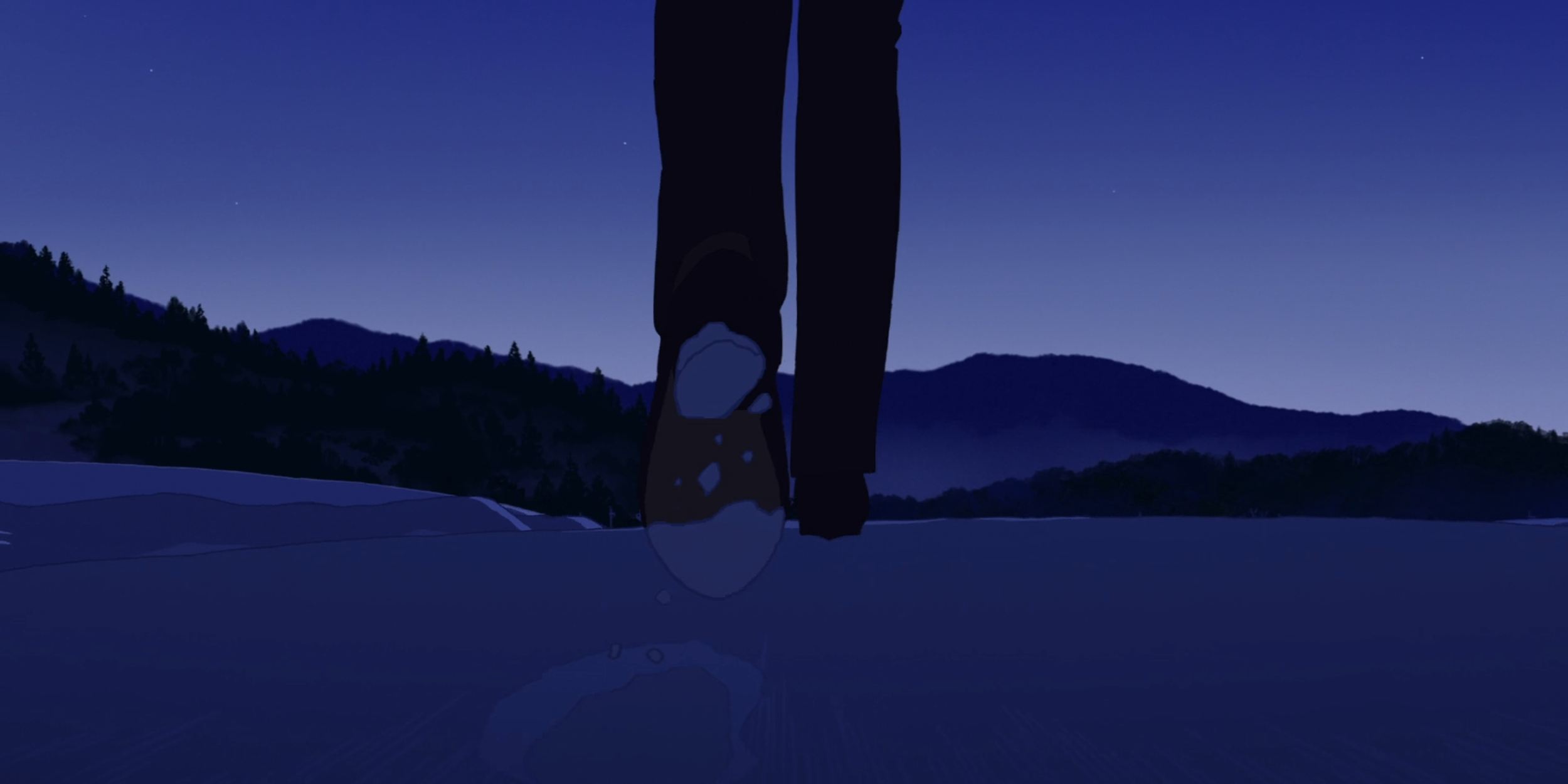
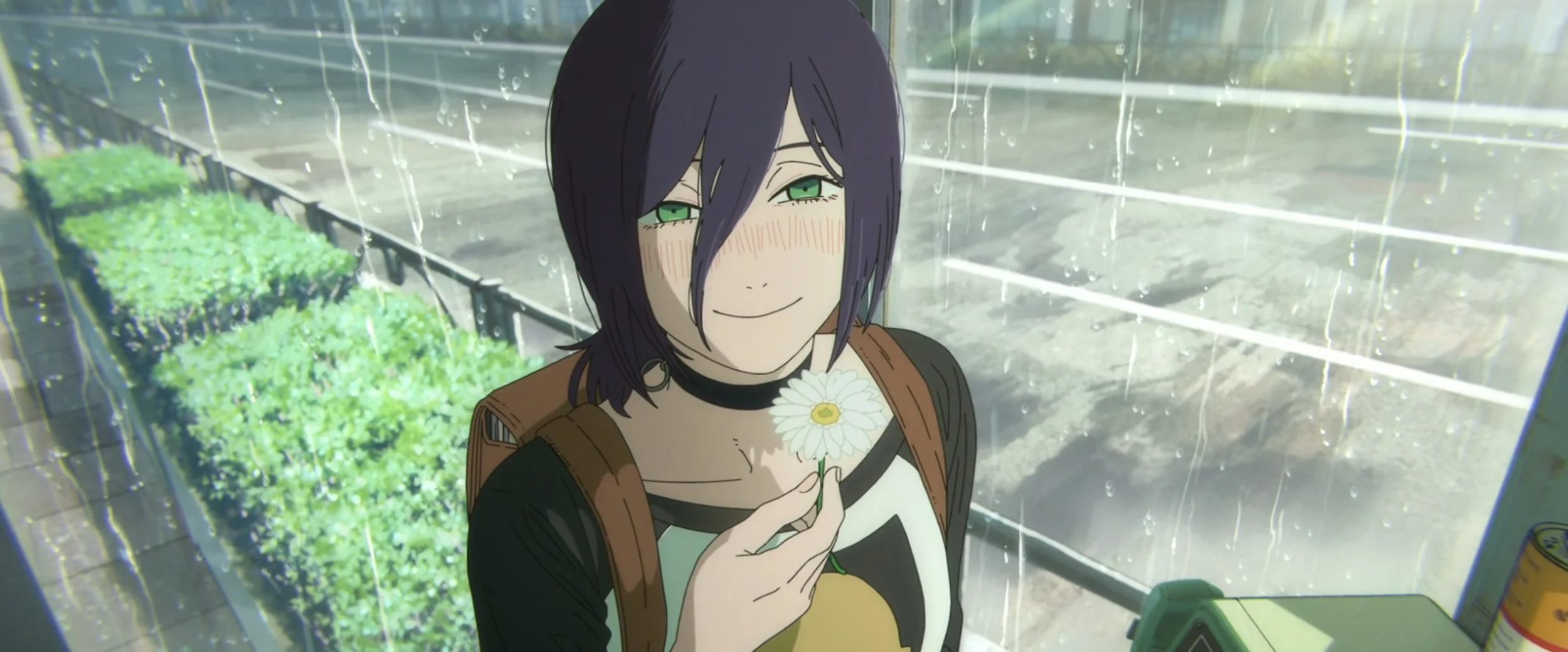
From the creator of Chainsaw Man comes a somewhat autobiographical metaphor of his journey. This will likely be confusing for most audiences as it is directed toward artists, creatives or anime lovers that know the history of the industry. But even if you don’t, you could very well appreciate the wonderfully evocative animation style. The abstract hand drawing is beautiful and the movement is smooth and kinetic. Fujimoto has a clear understanding of photography with how he frames the image and it is a pure delight to watch. If you like Chainsaw Man: Reze Arc, I think you will likely enjoy this visually similar drama despite the vastly different theme.
Analysis:
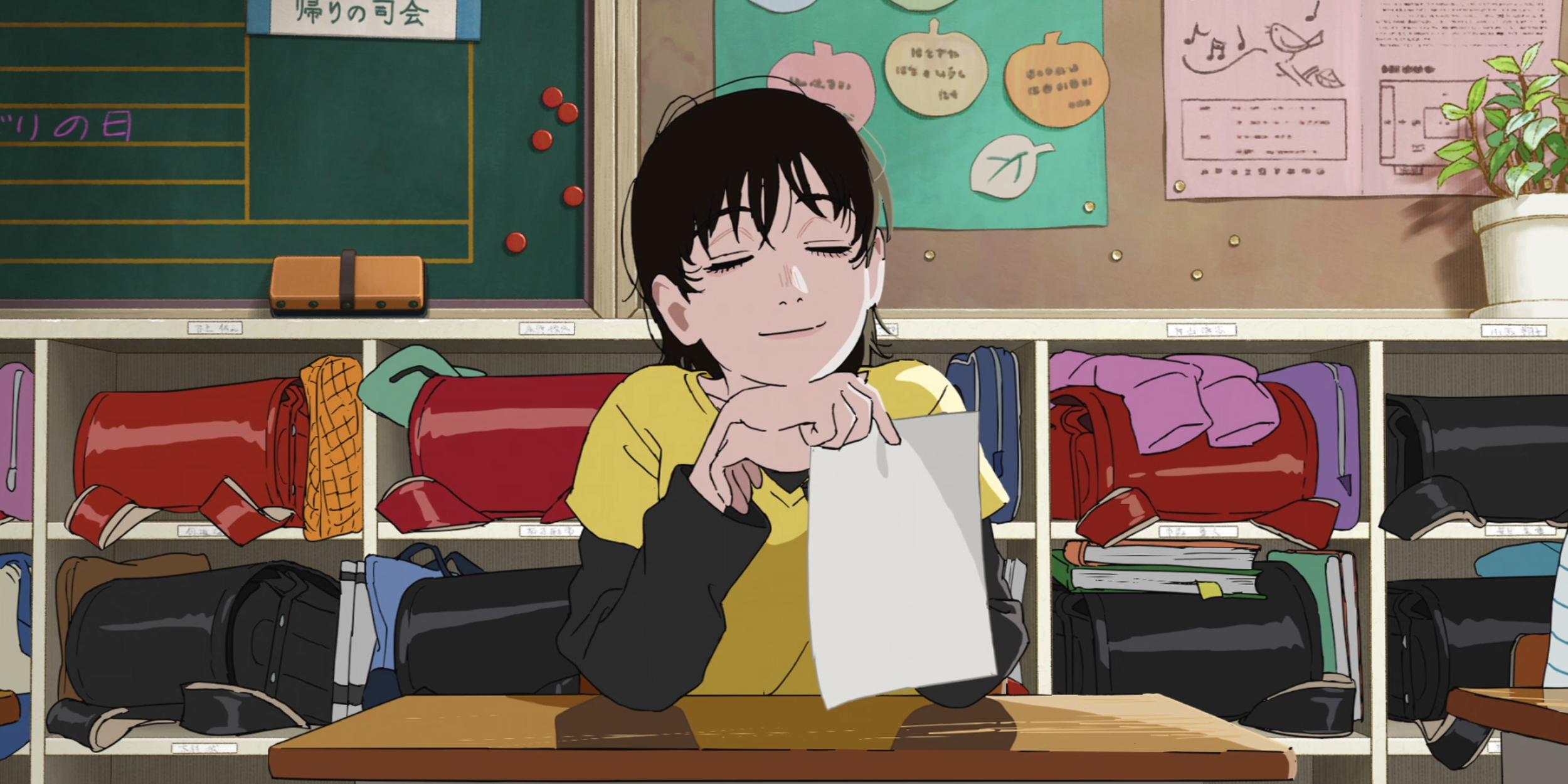
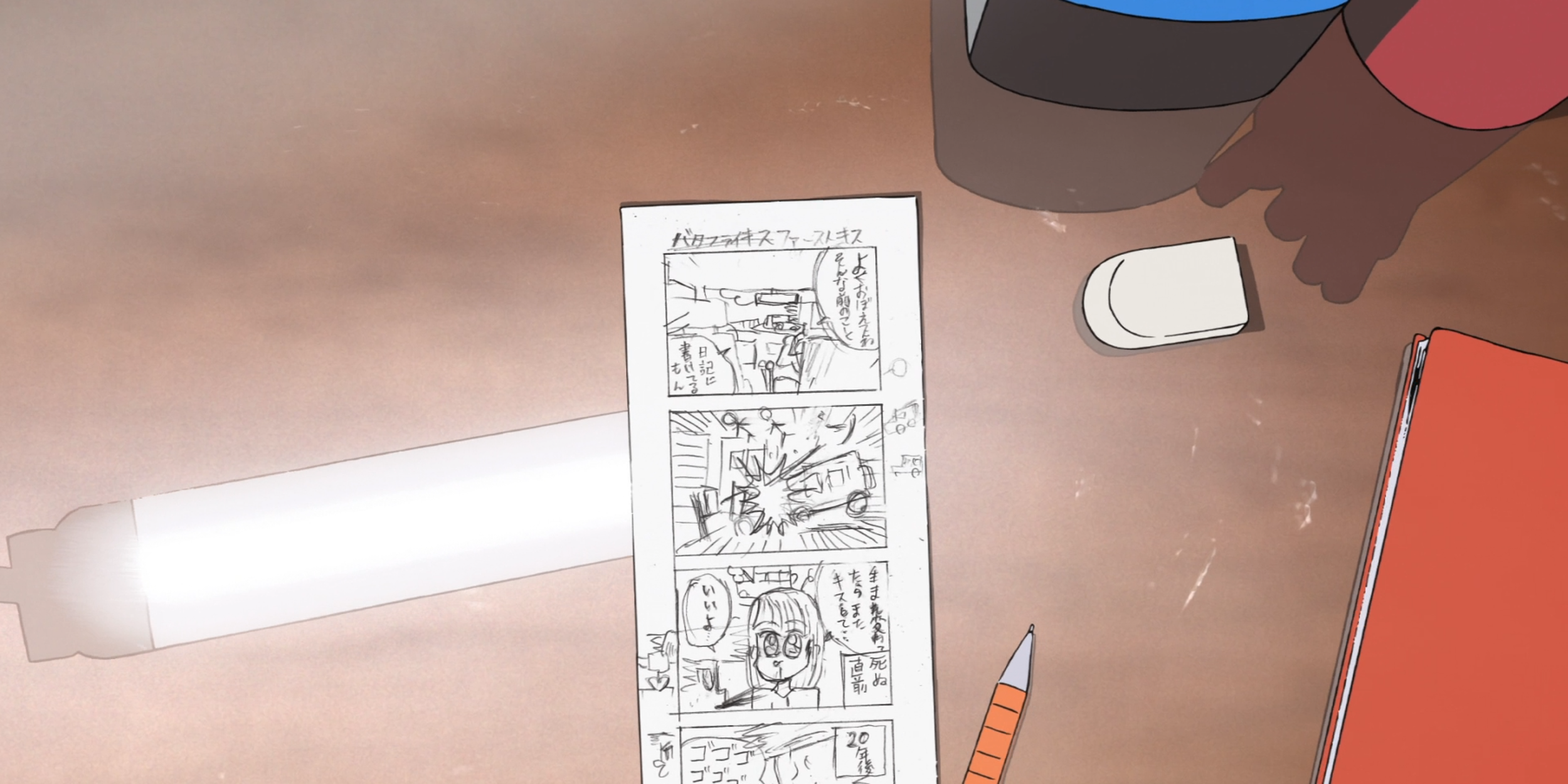
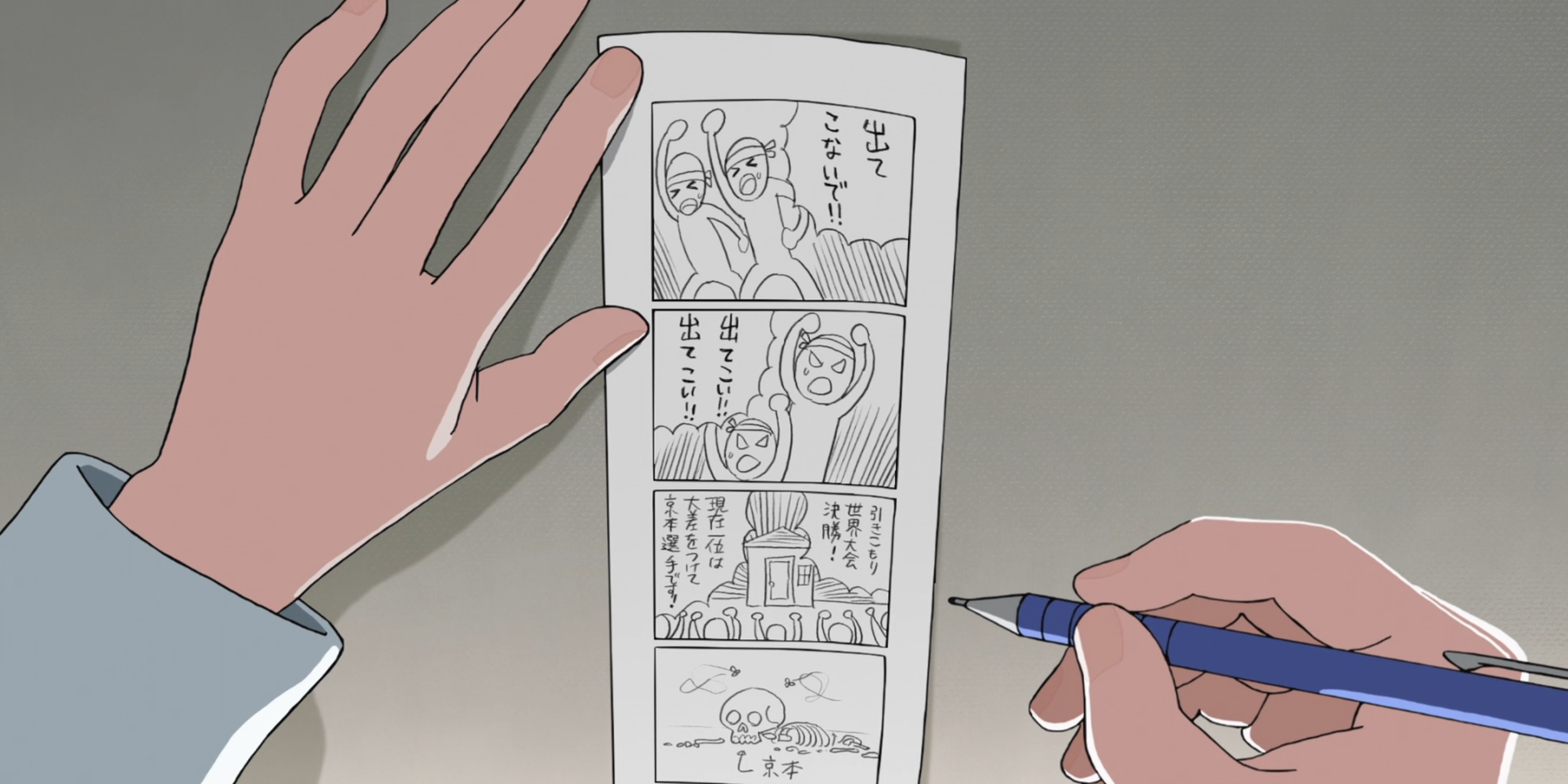
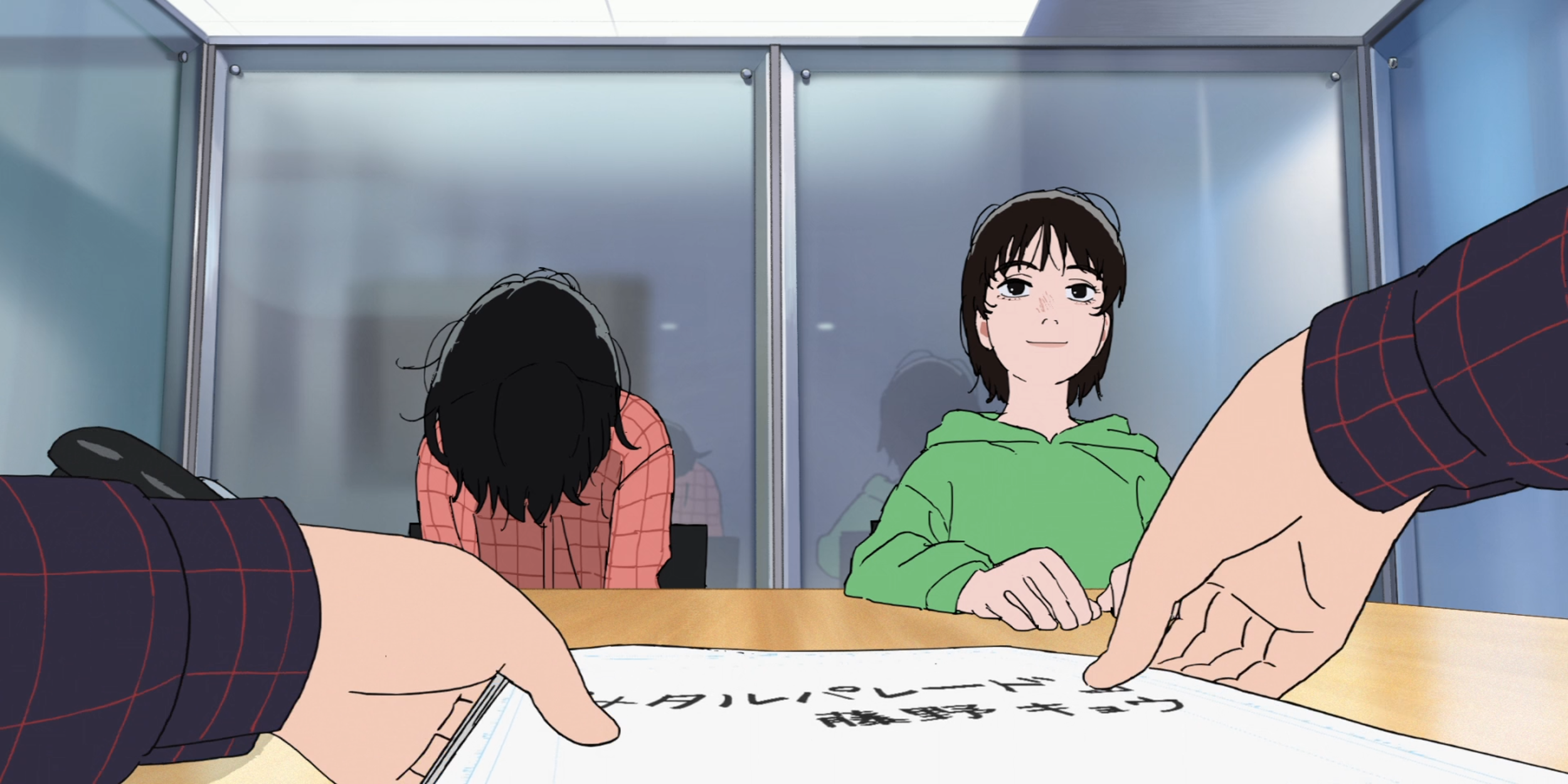
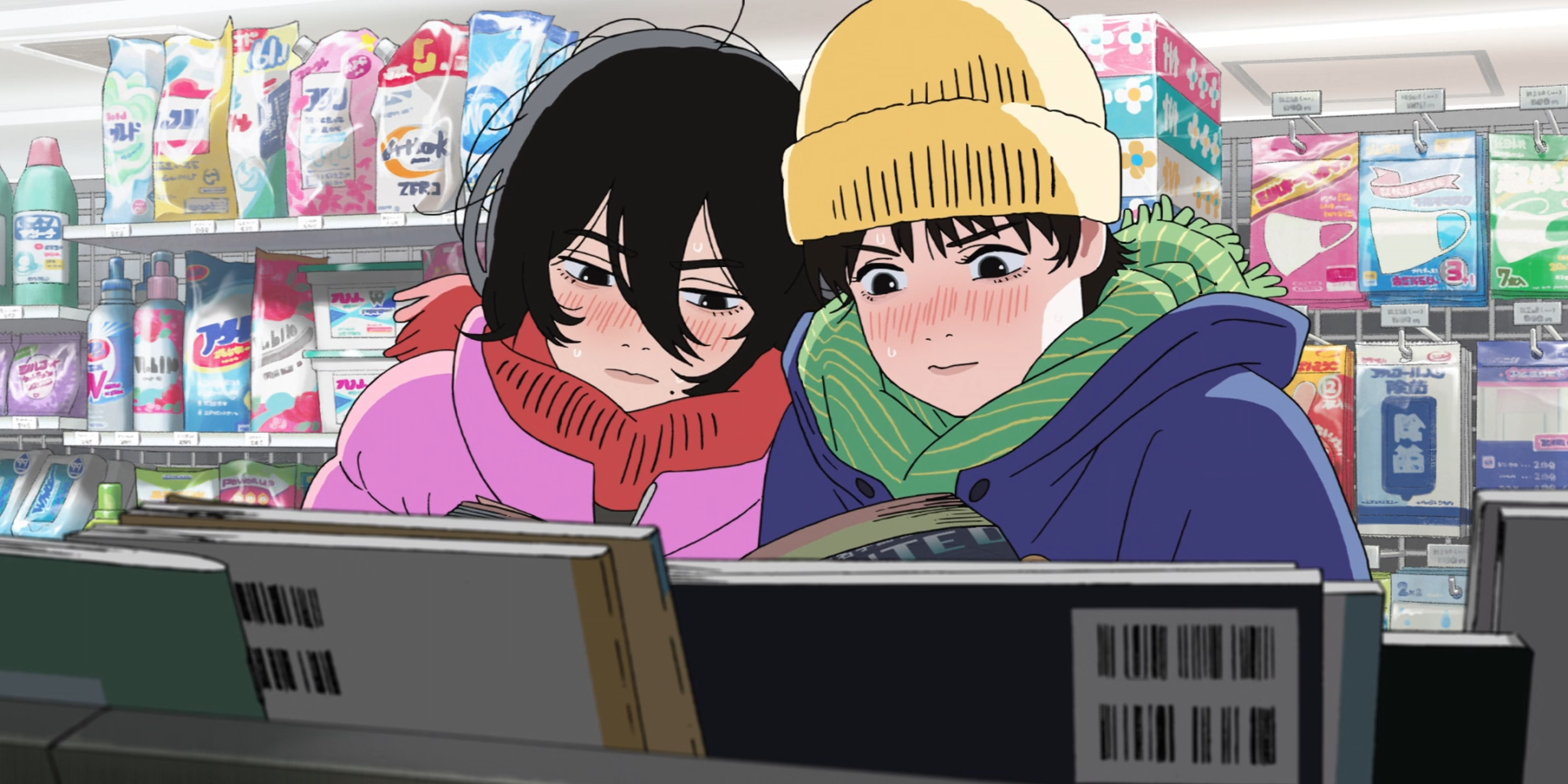
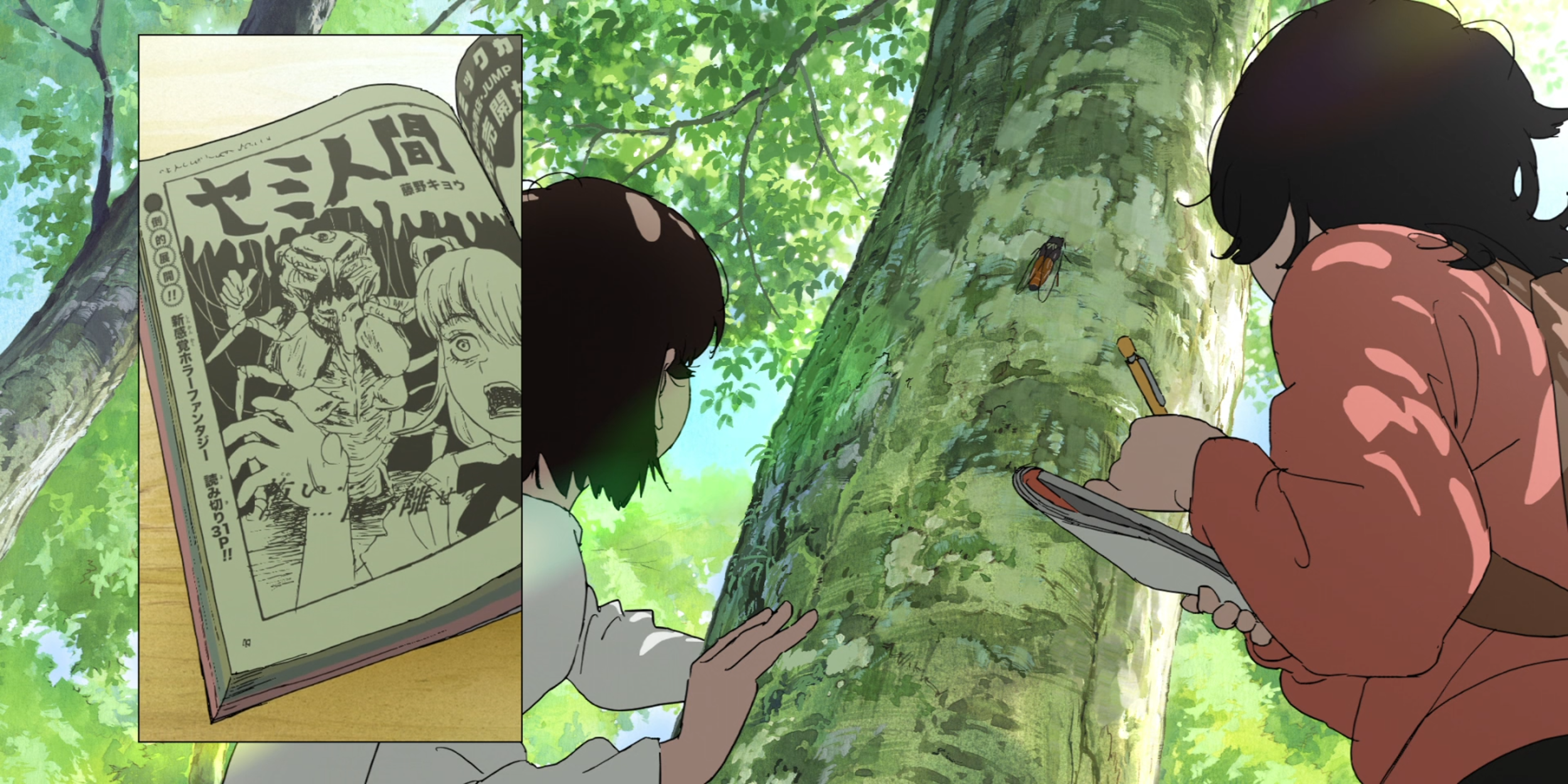
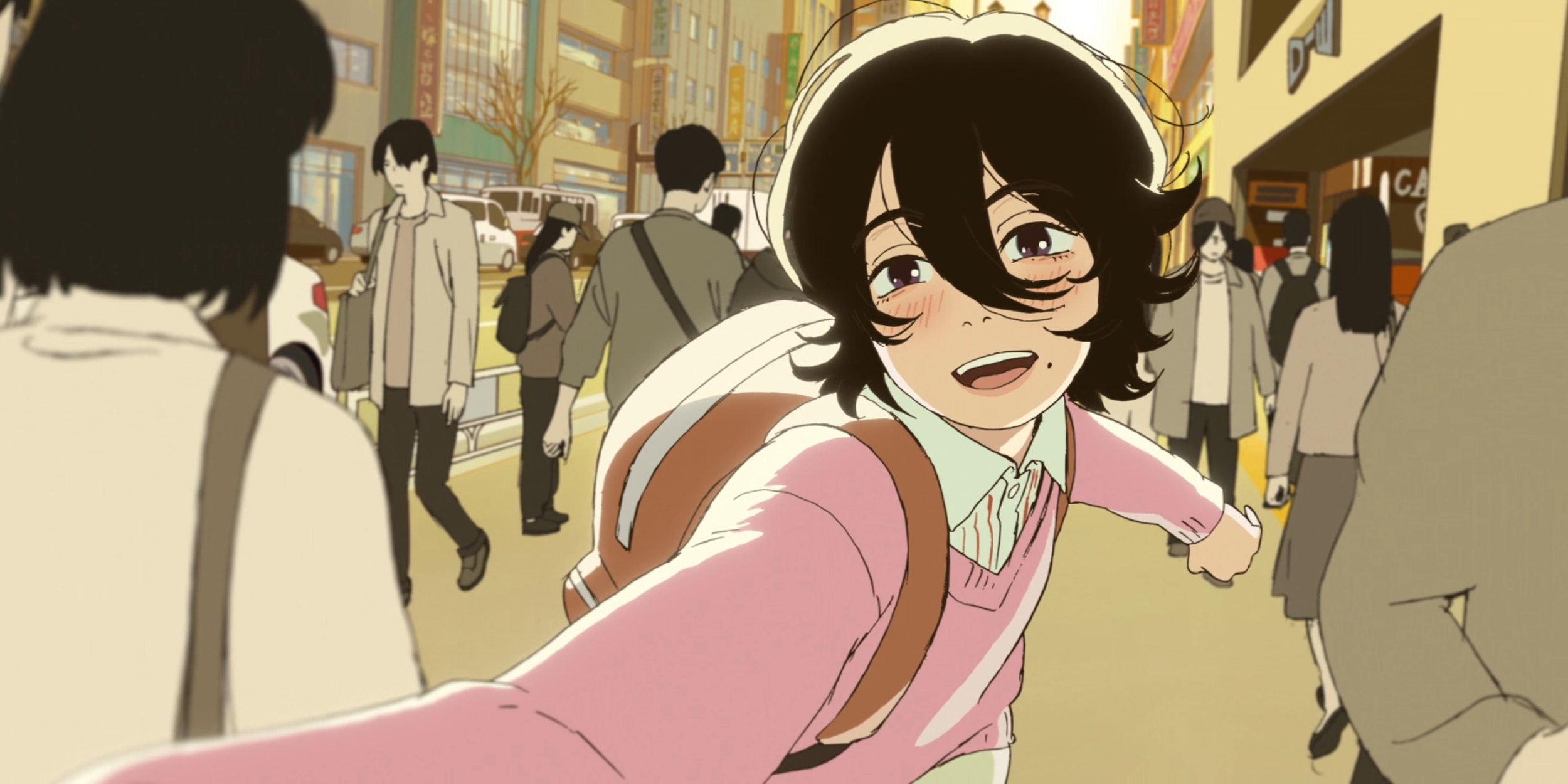
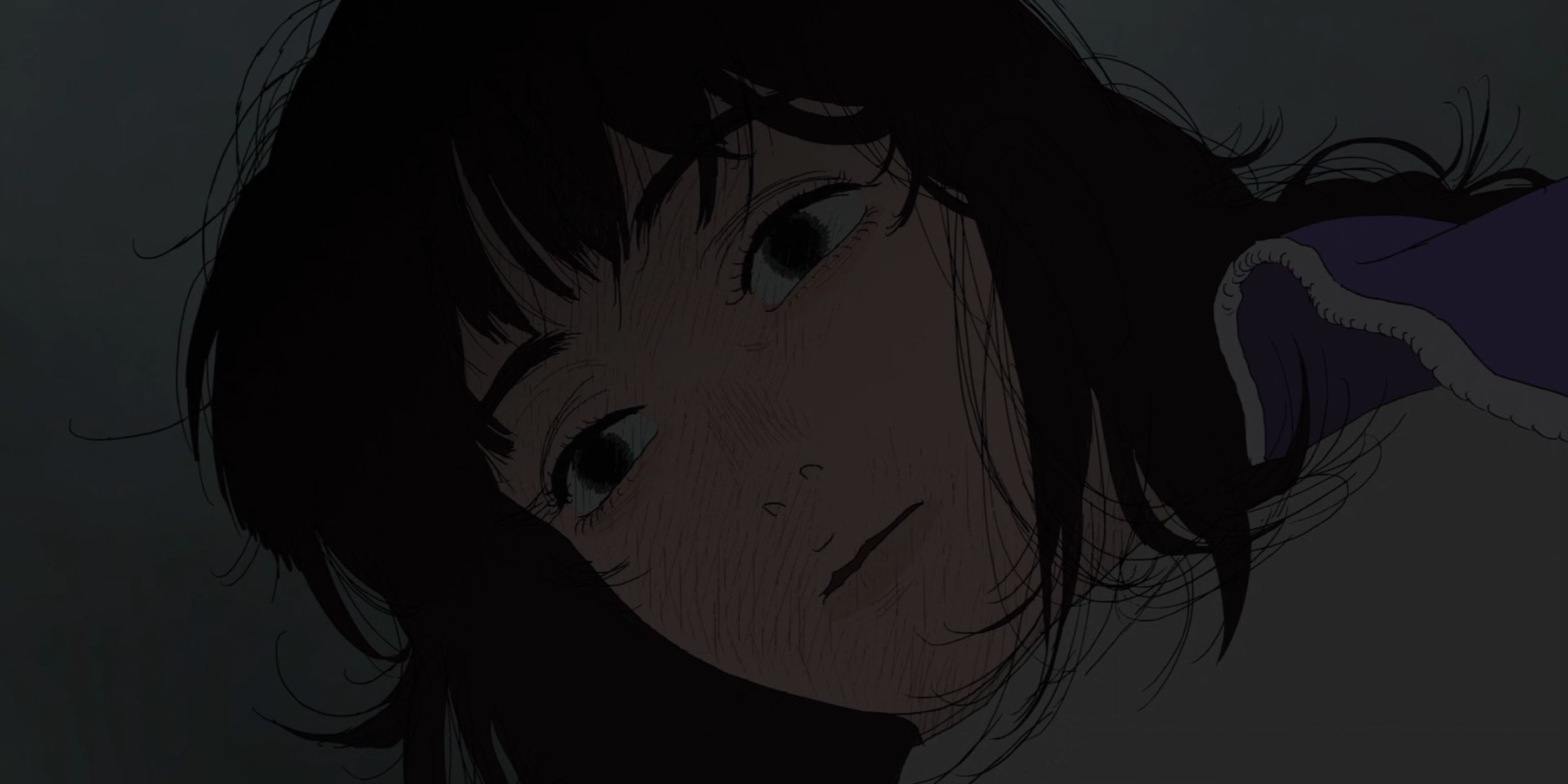
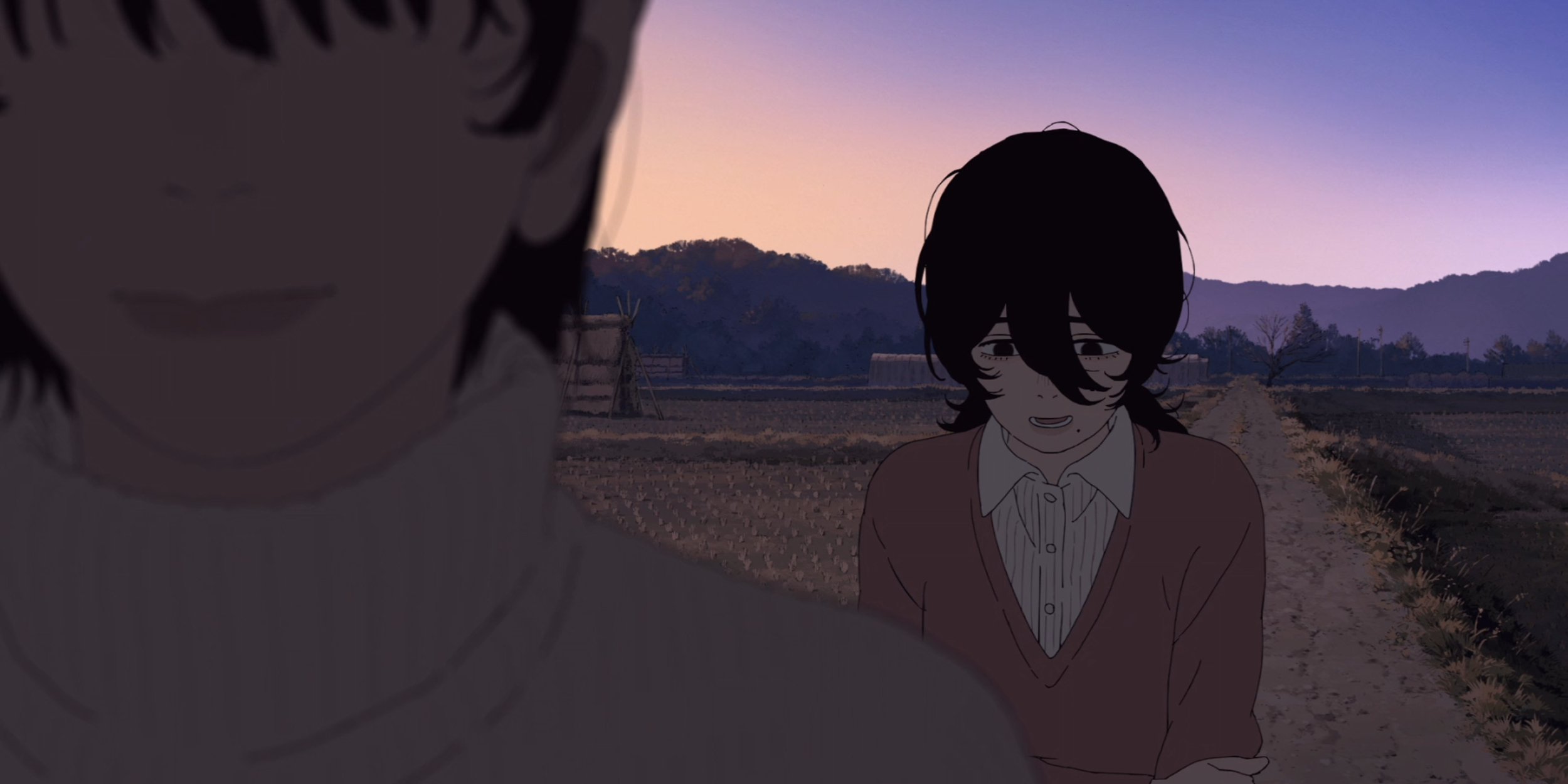
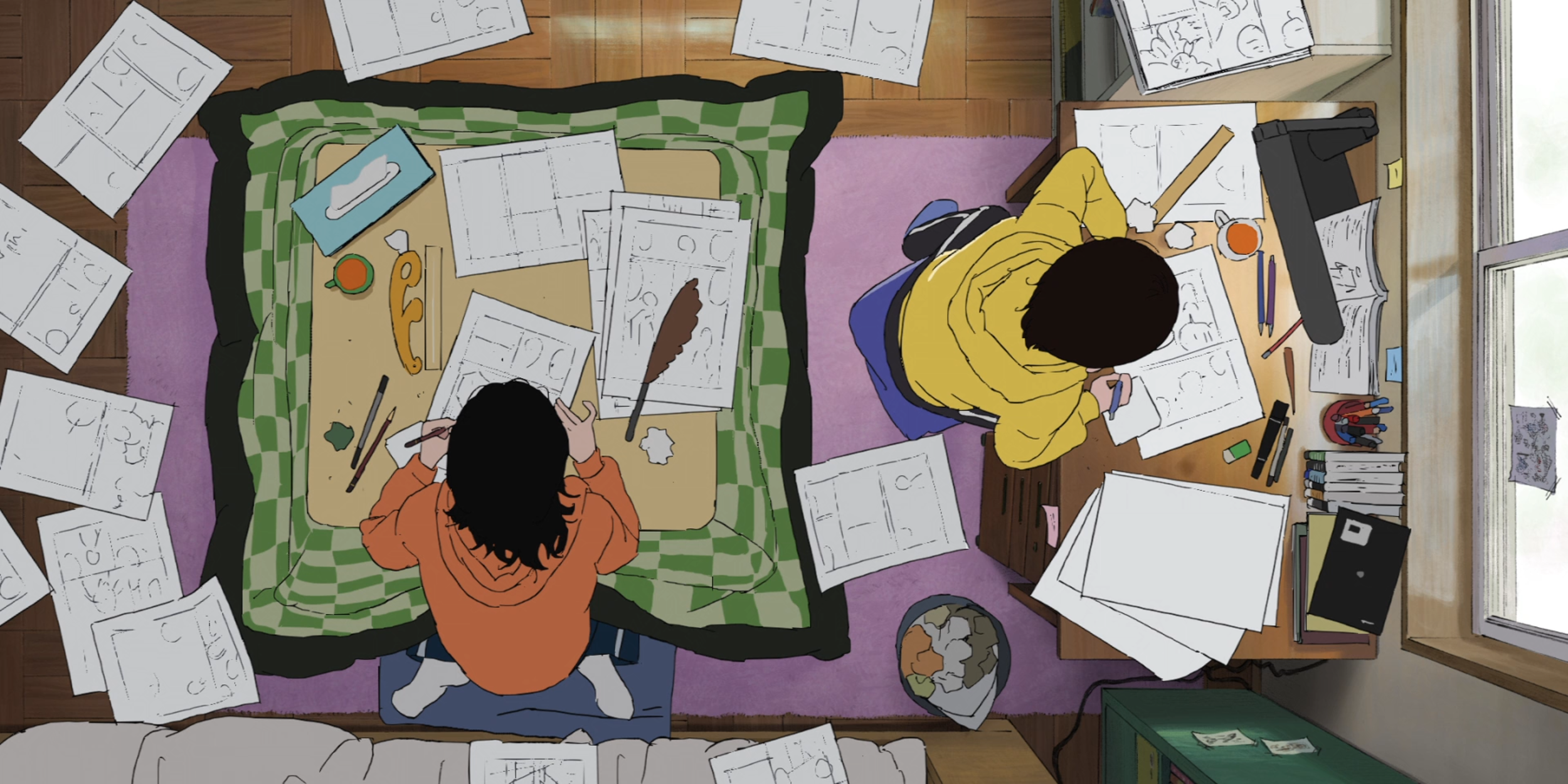
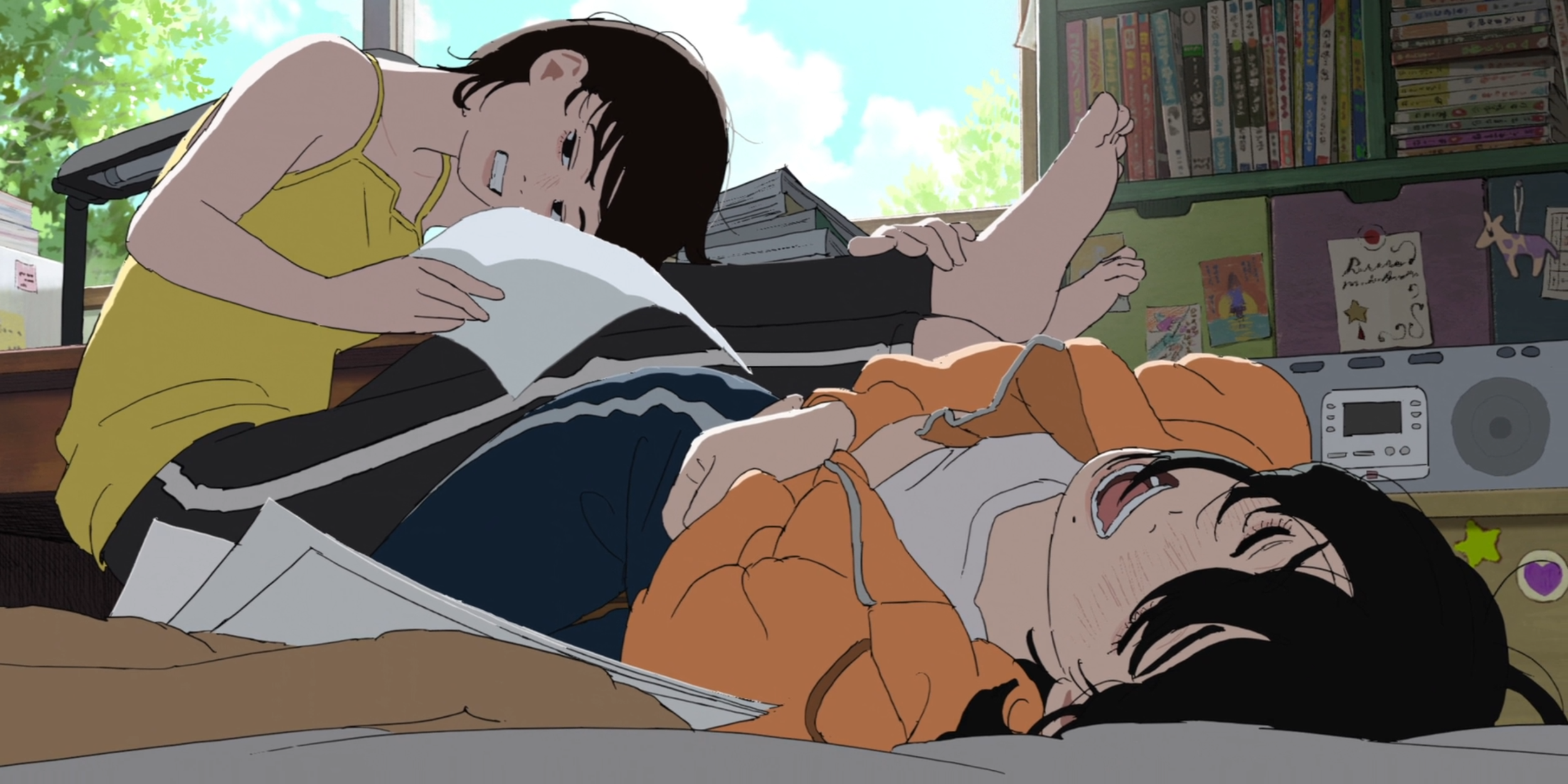
There are several themes and interpretations of this film and the true intention may be all of them or some of them. The most straightforward is the competitive drive and envy in creative fields depicted when Fujino is jealous of Kyomoto’s drawing skills, though Kyomoto also loves Fujino’s storytelling gift. This is such a relatable feeling amongst creatives and serve as a great message for artists to never give up.
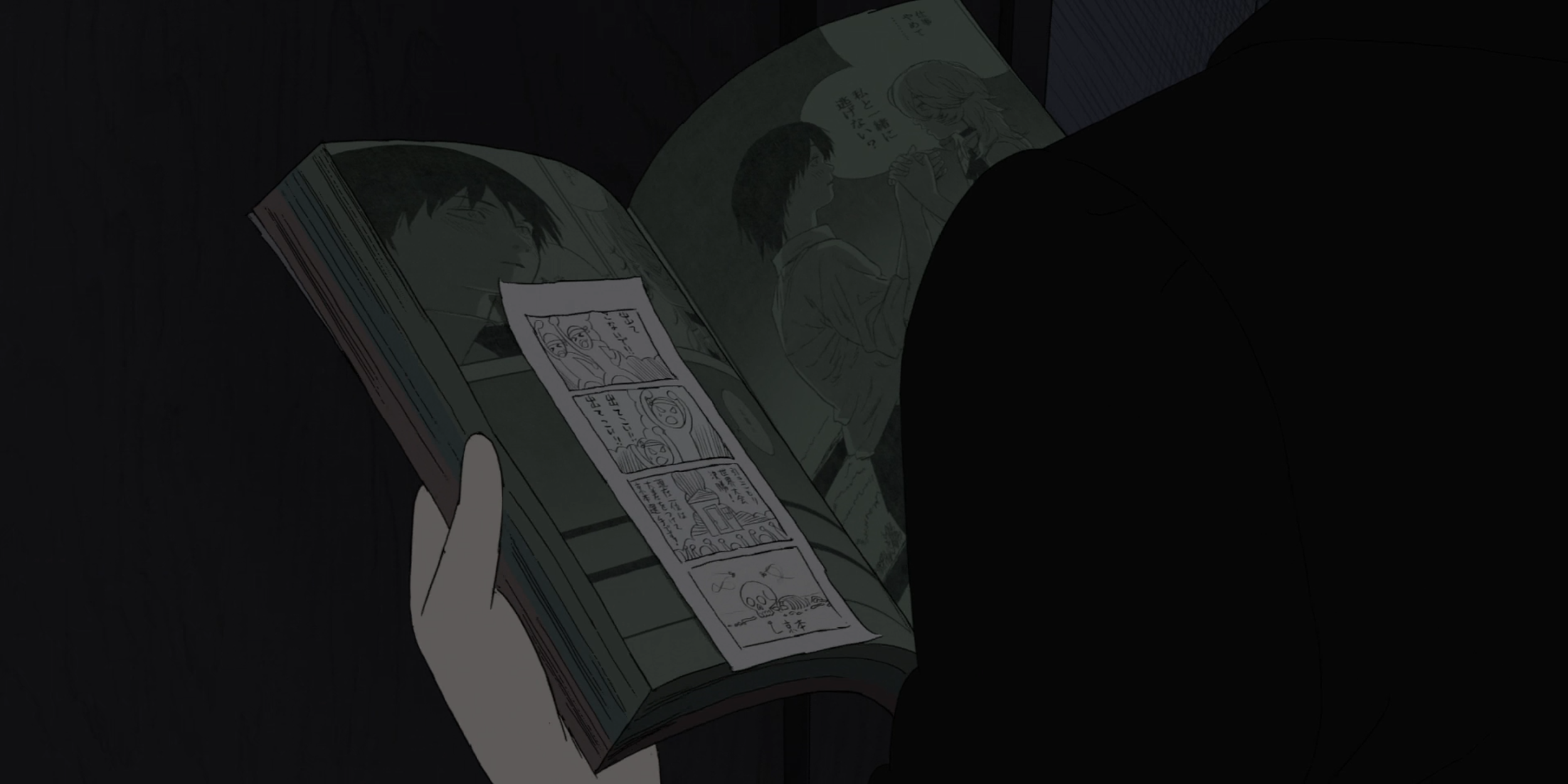
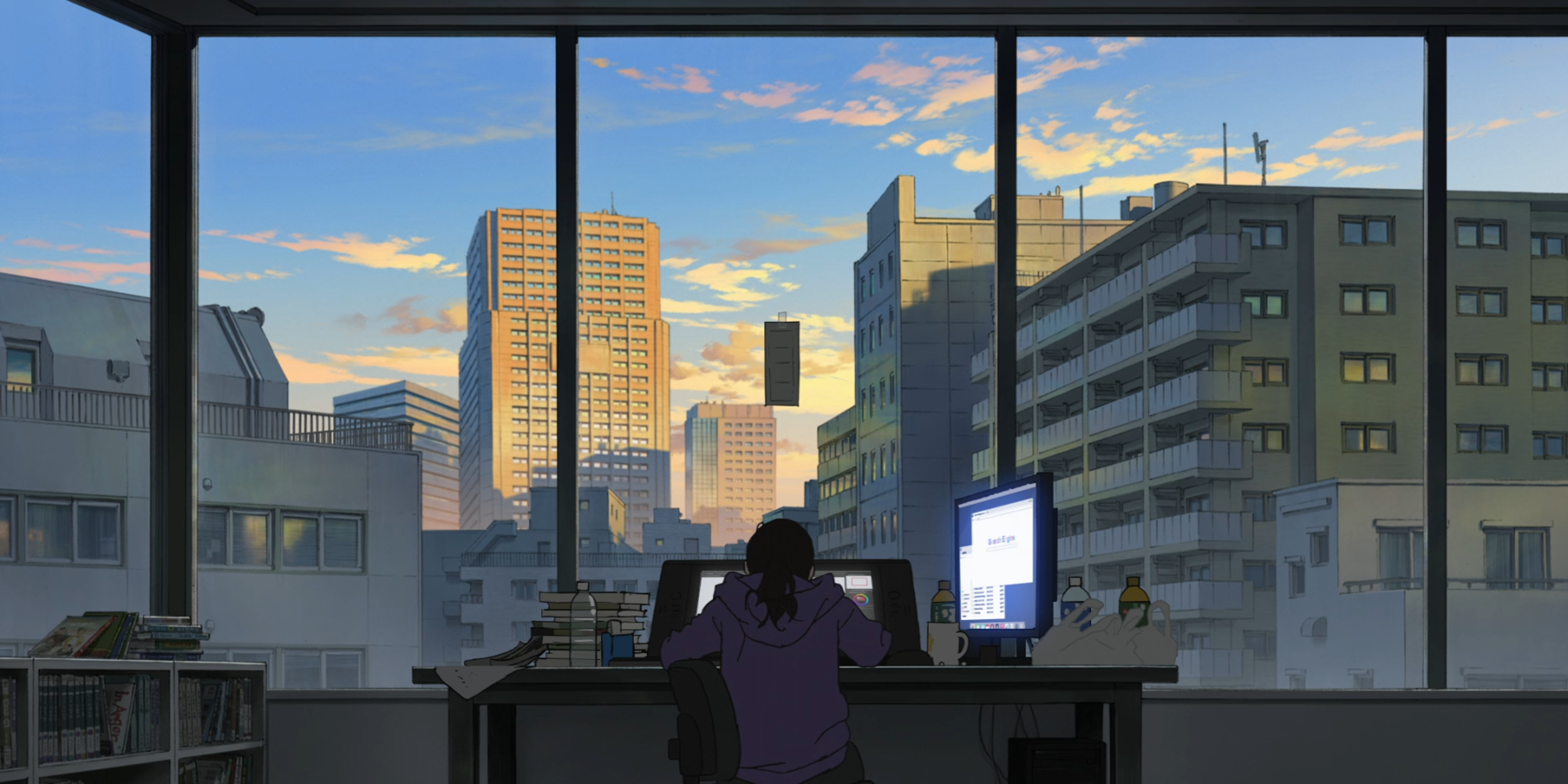
This relationship dynamic also serves as a love letter to anime background artists. Their work is more laborious and artistic as they have to create detailed universes while being reduced to assistants. Meanwhile the creator takes all credit emphasized by solely Fujino’s name on the final work and never Kyomoto’s. If you are familiar with the behind the scenes of the anime industry then you may understand that these artist assistants are basically just used for endless labor. There are documentaries of Studio Ghibli where some artists spend 15 months drawing only 15 seconds of animation. So this anime is perhaps some consolidation for all the assistants that never get recognition. This is evidenced by the final shot where Fujino places the 4 panel manga on the window projecting the city landscape, which symbolizes a remorseful, necessary, and poetic nod to the background artists whom physically drew that scene. At least Fujimoto acknowledges in the film that background artists have superior artistic talent compared to the main storyteller.
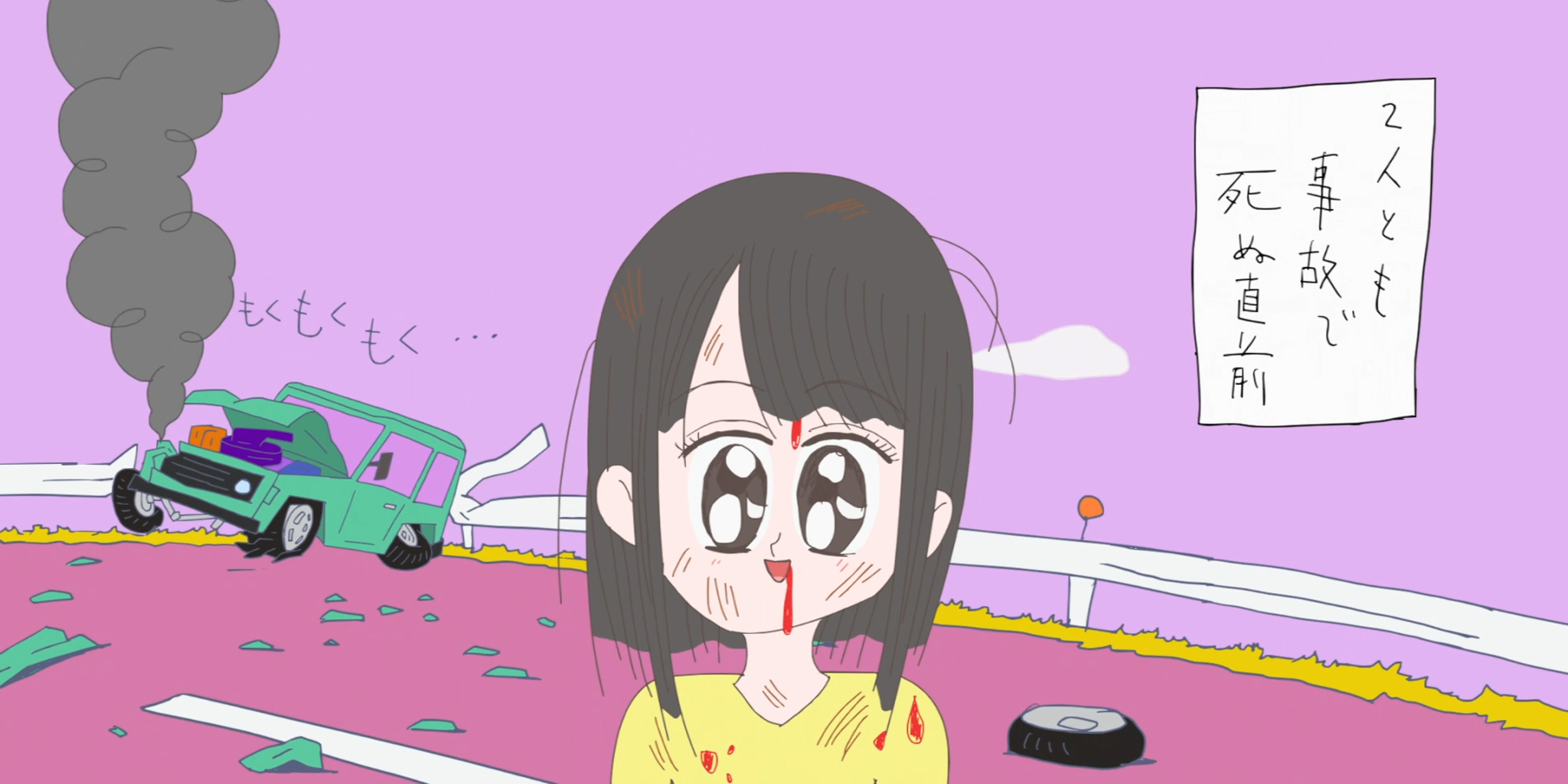
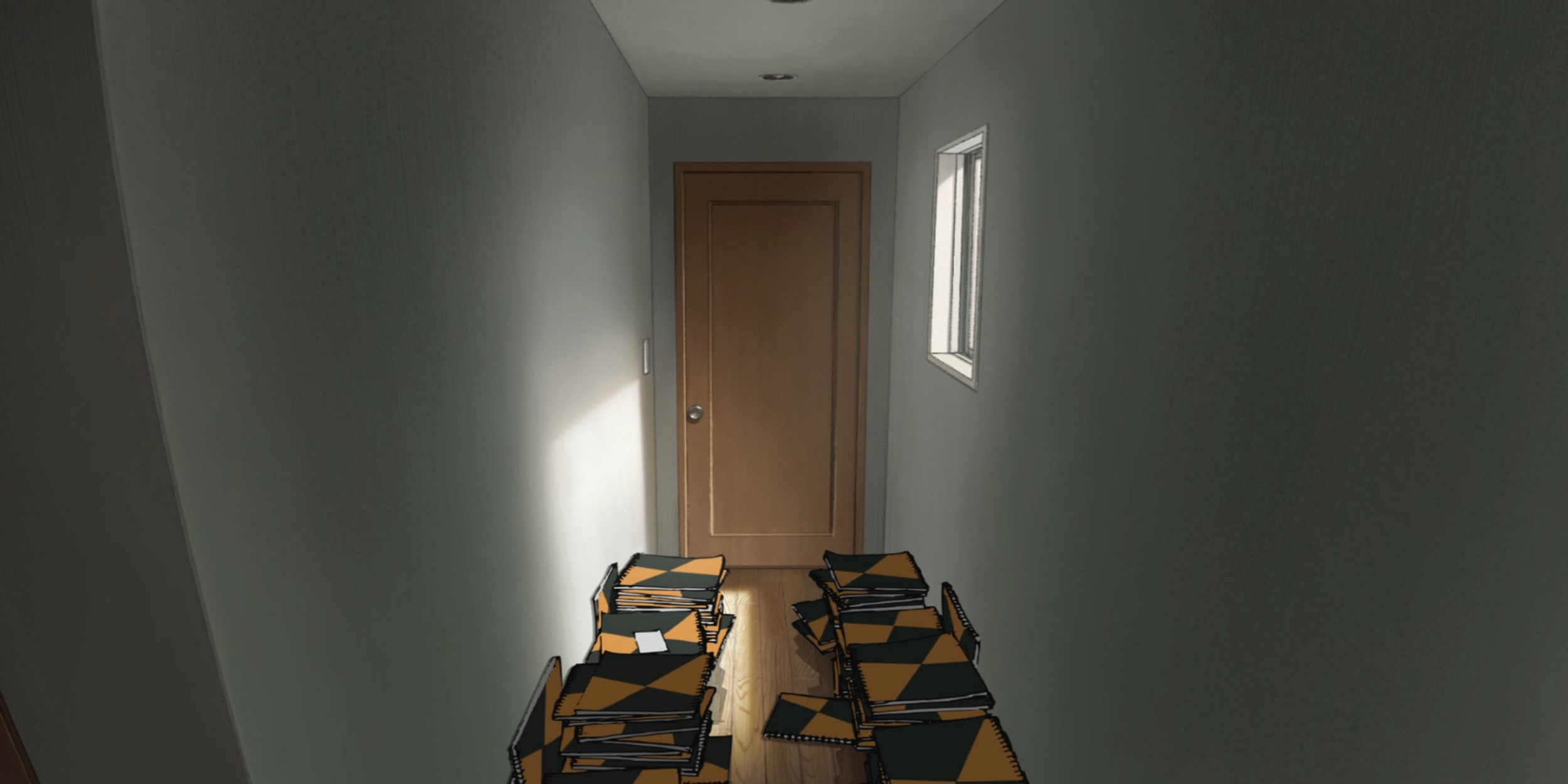
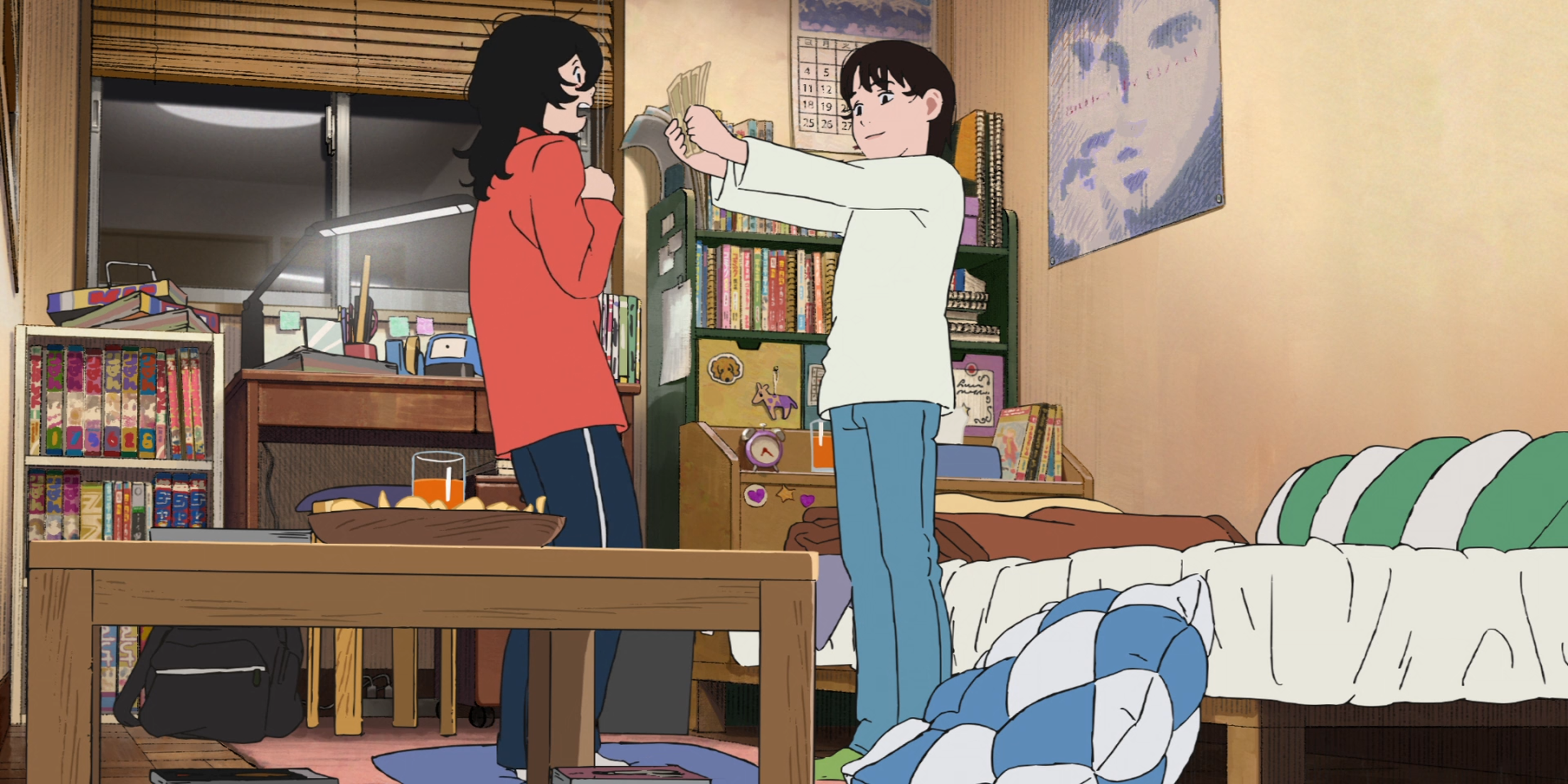
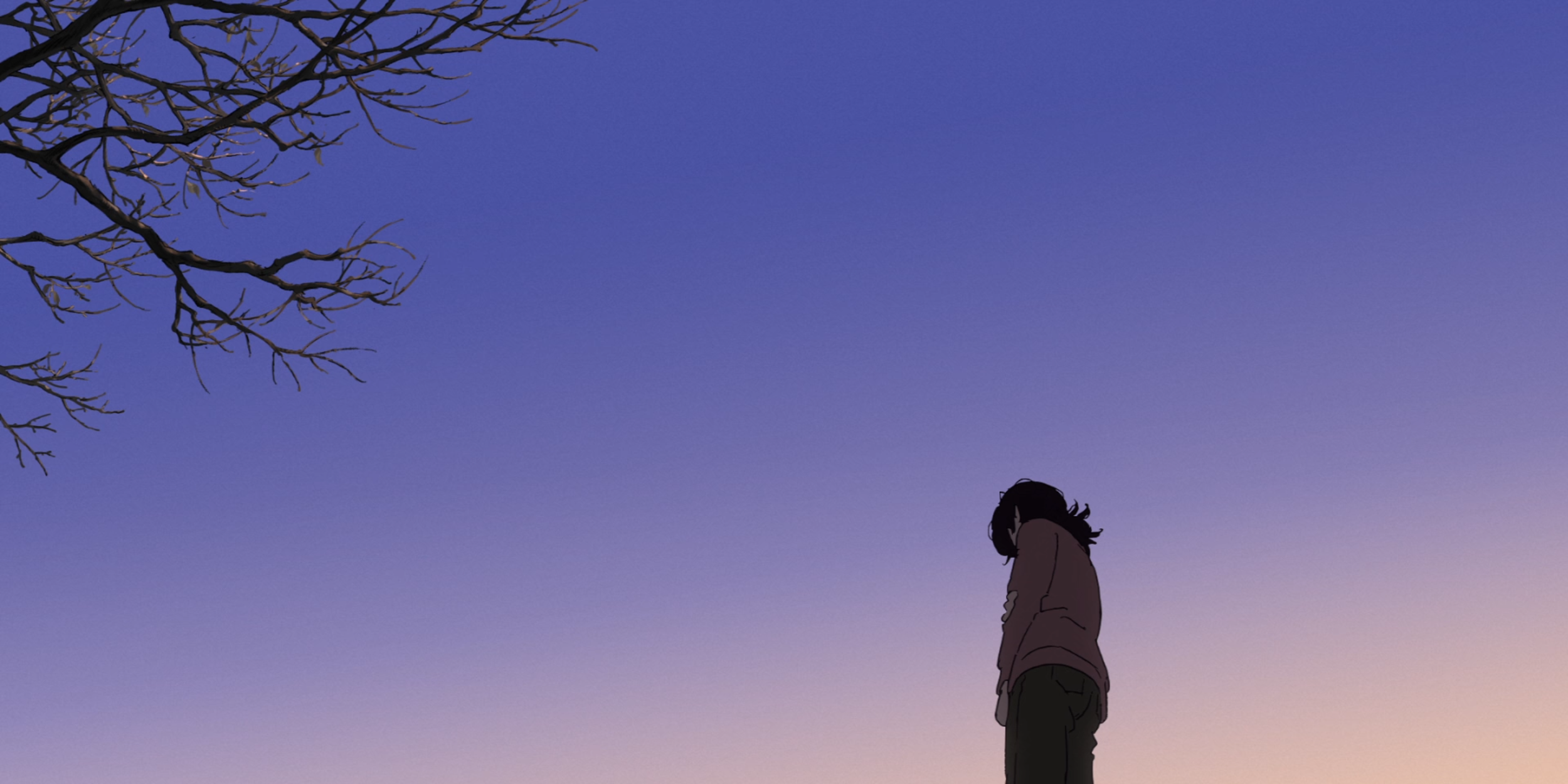
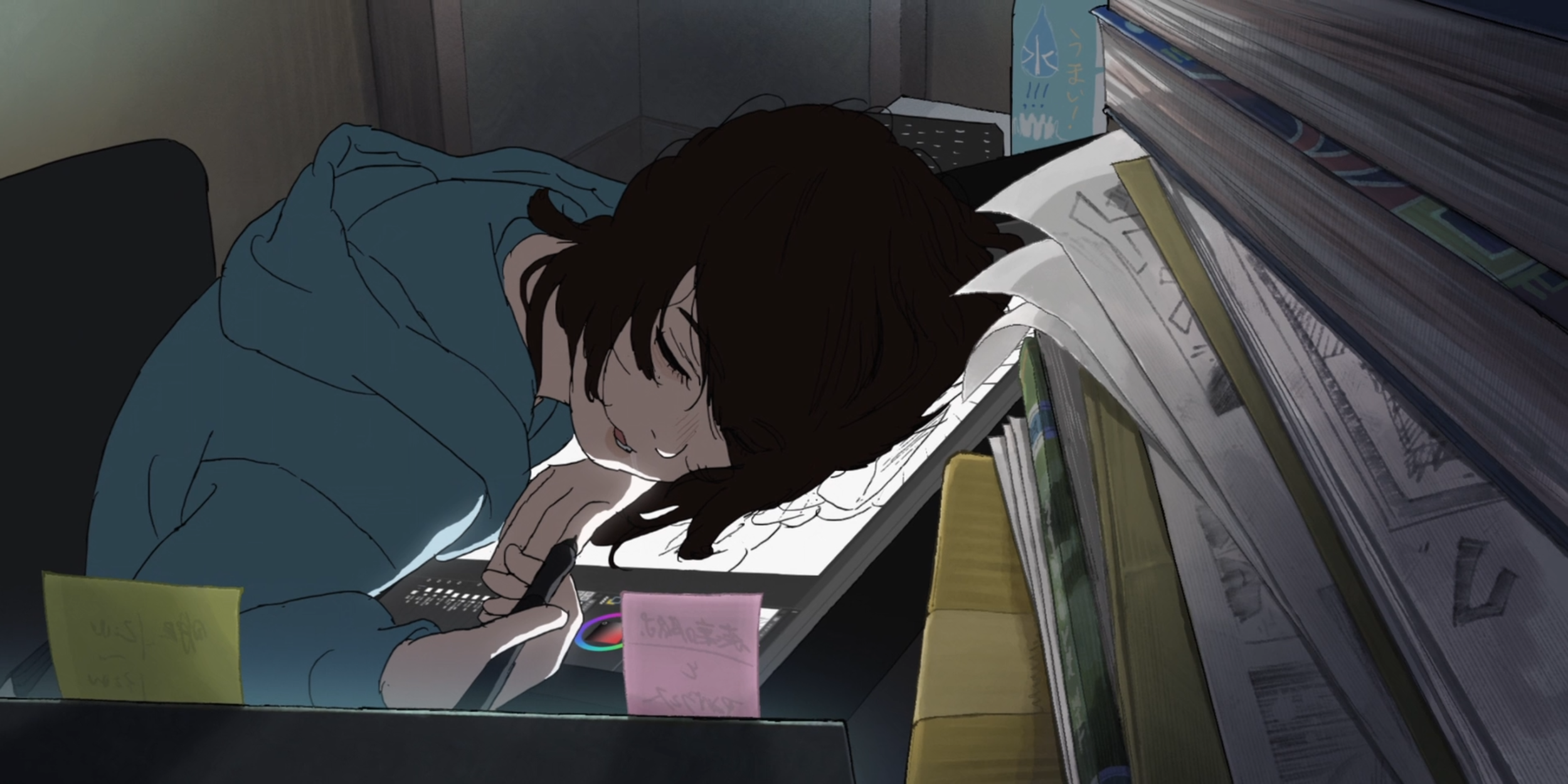
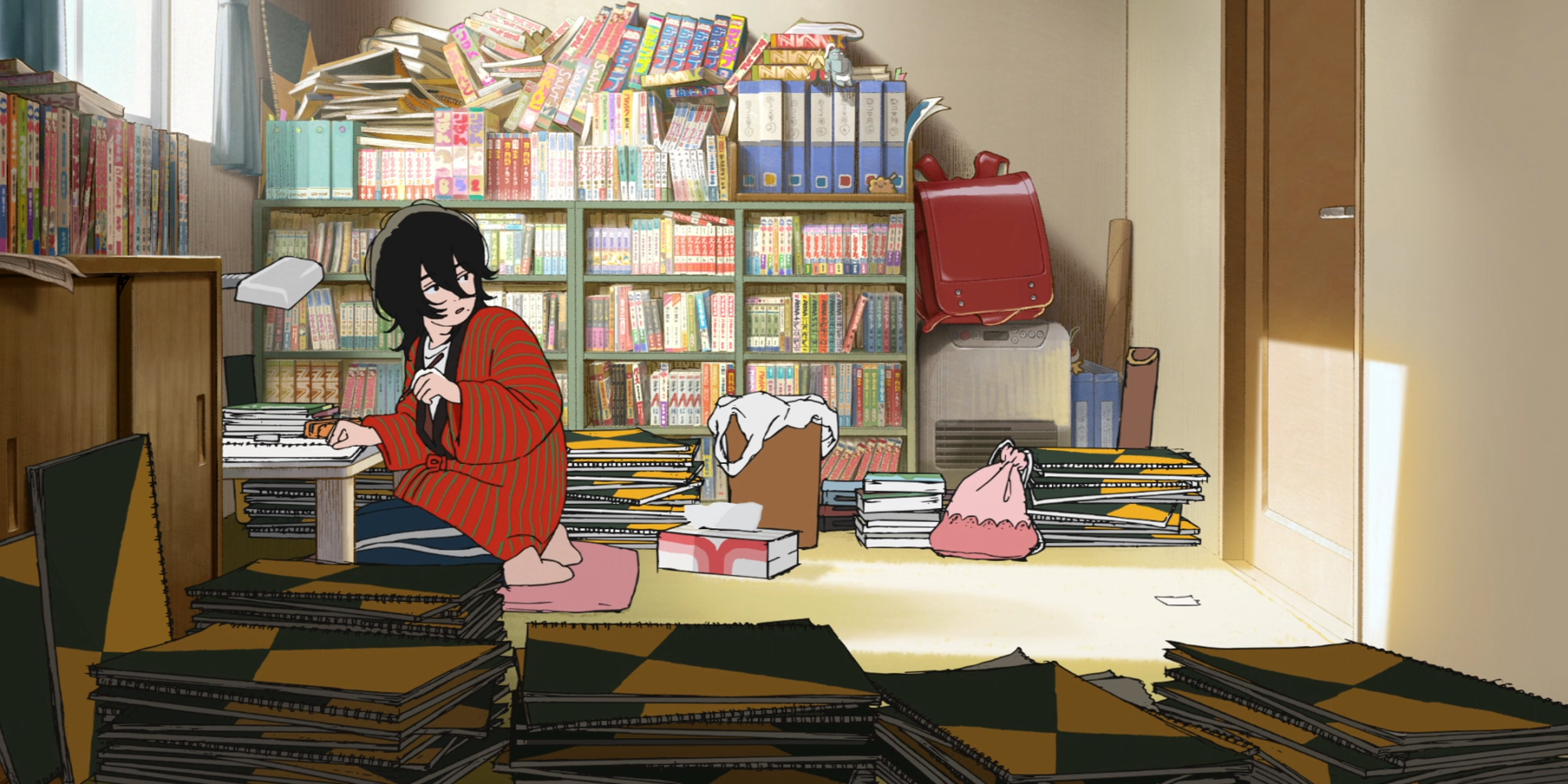
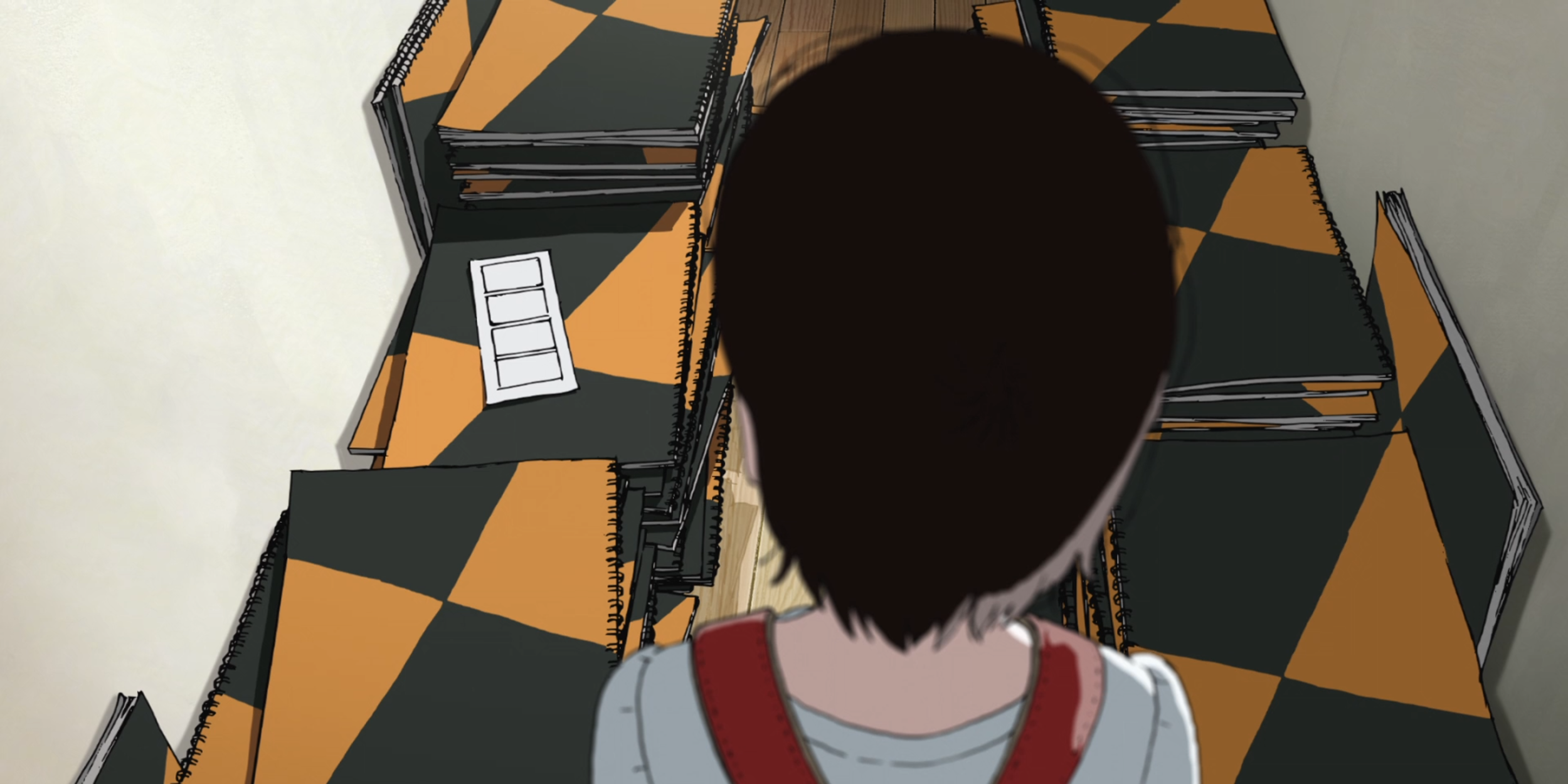
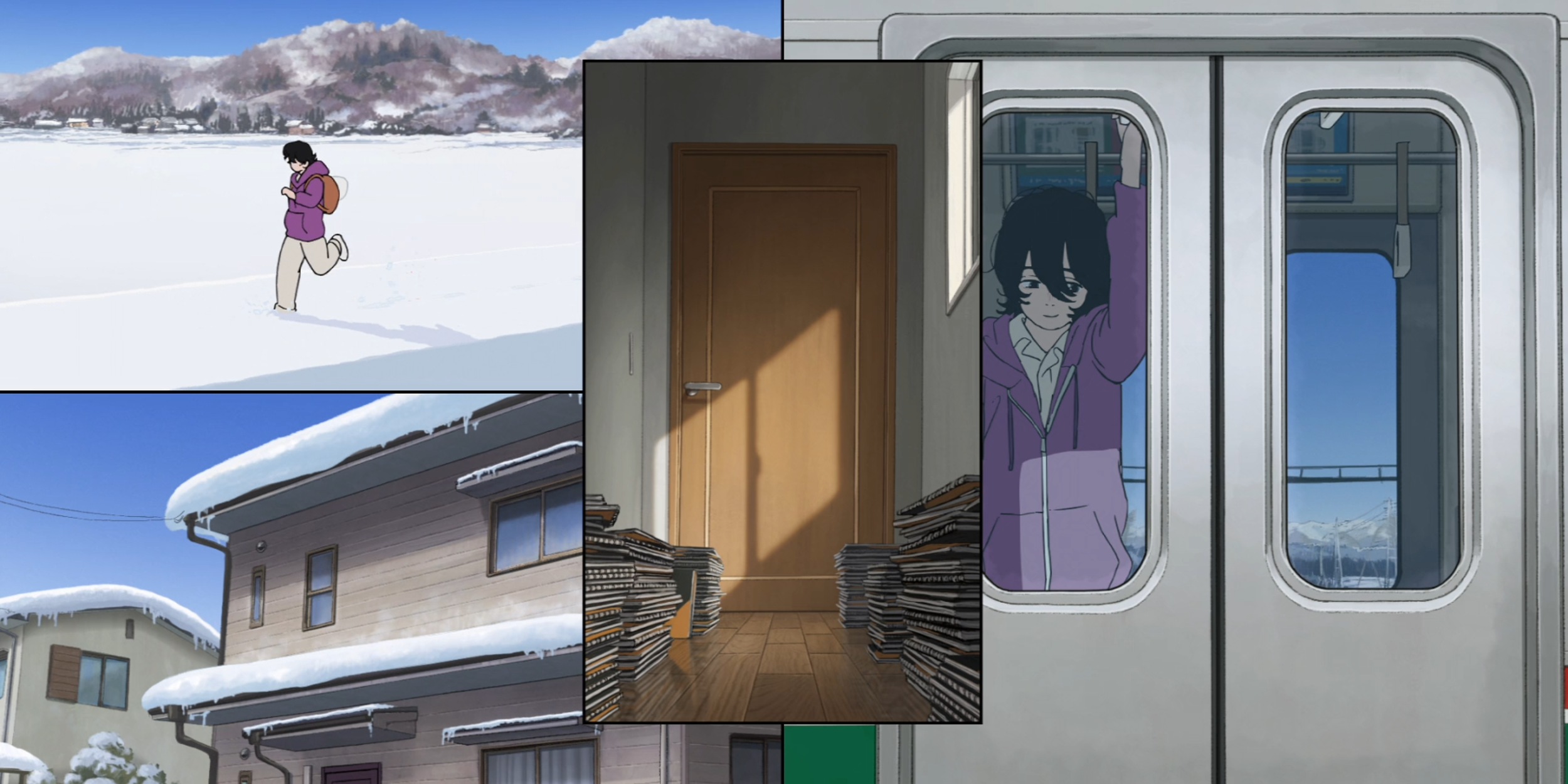
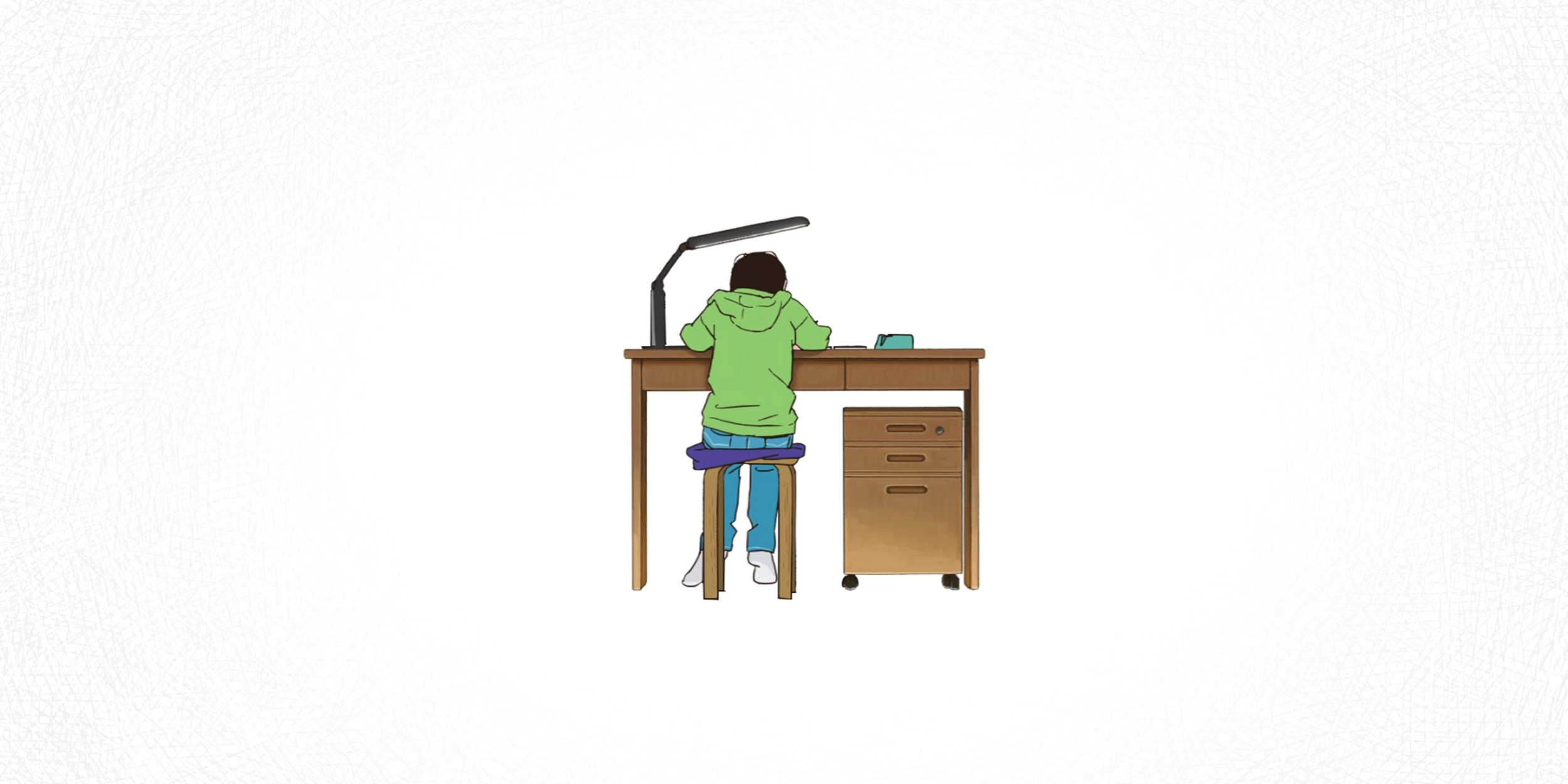
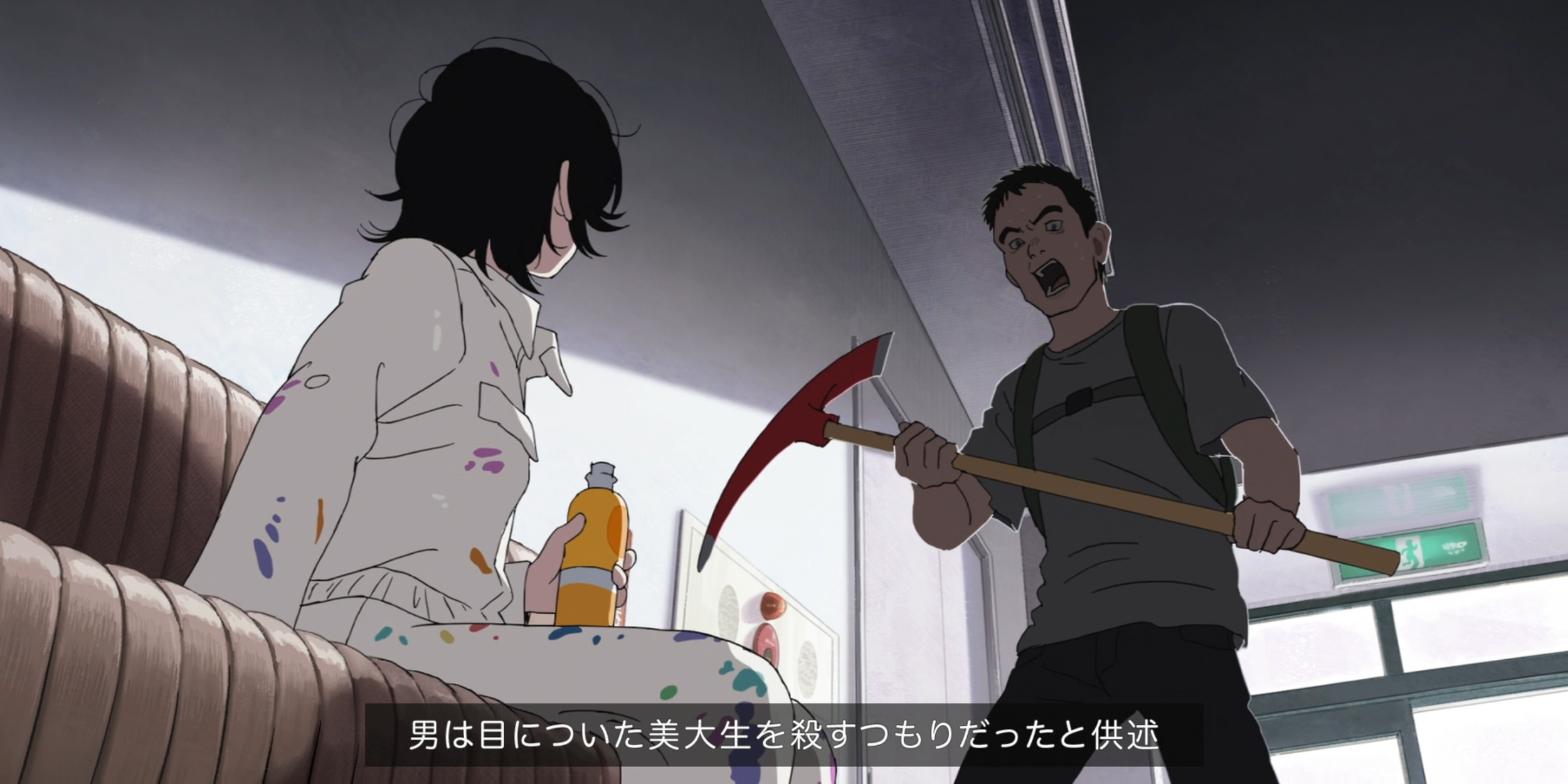
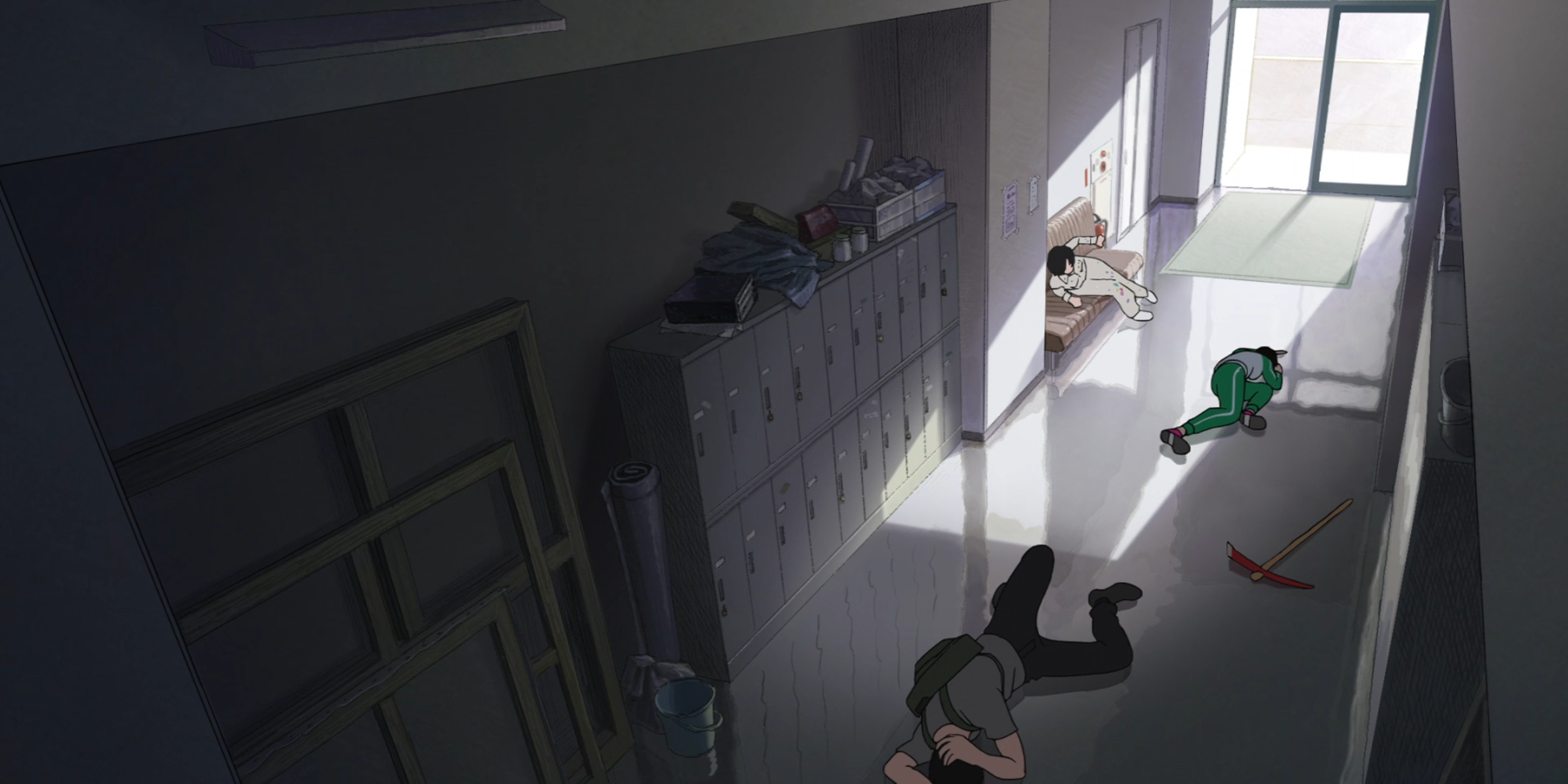
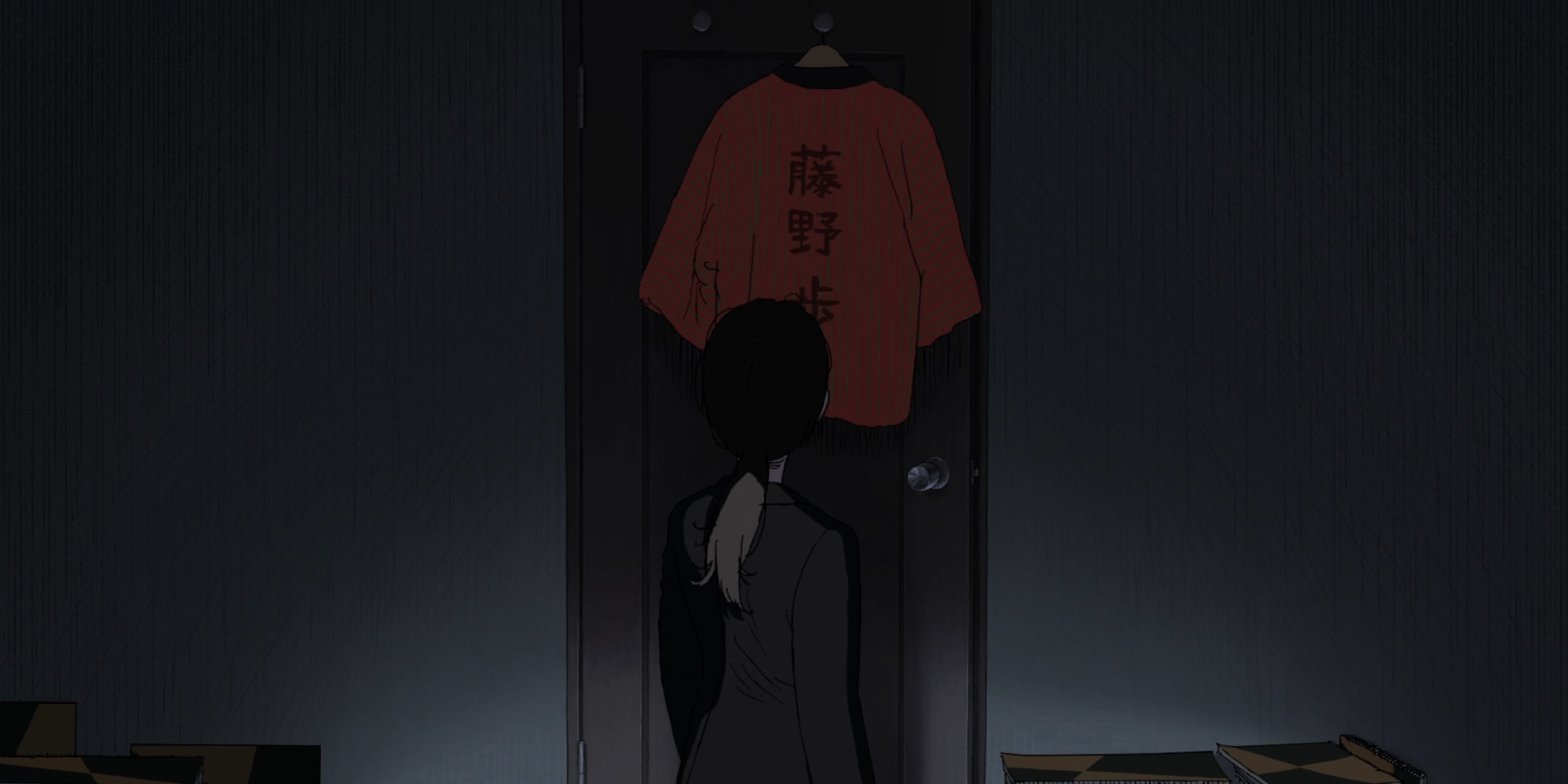
The other biographical angle explains the death of Kyomoto. It could also represent guilt or plagiarism, but it does feel awkwardly motivated in the story. This death of creativity is likely in reference of Fujimoto’s own creative block when writing Chainsaw Man. It’s evident that this film is autobiographical given the similarity of Fujino and Fujimoto’s names and jobs. Fujimoto is known for not liking drawing with his main motivation being that his fans love his work, which is pretty similar to the attitude of Fujino and the mindless shonen she draws. Shonen is the equivalent of popcorn anime, and the piling volumes in the film suggest that the content slop train never stops moving. When Fujino cries how drawing is stupid, it’s a reflection of Fujimoto’s actual state when he couldn’t finish Chainsaw Man.
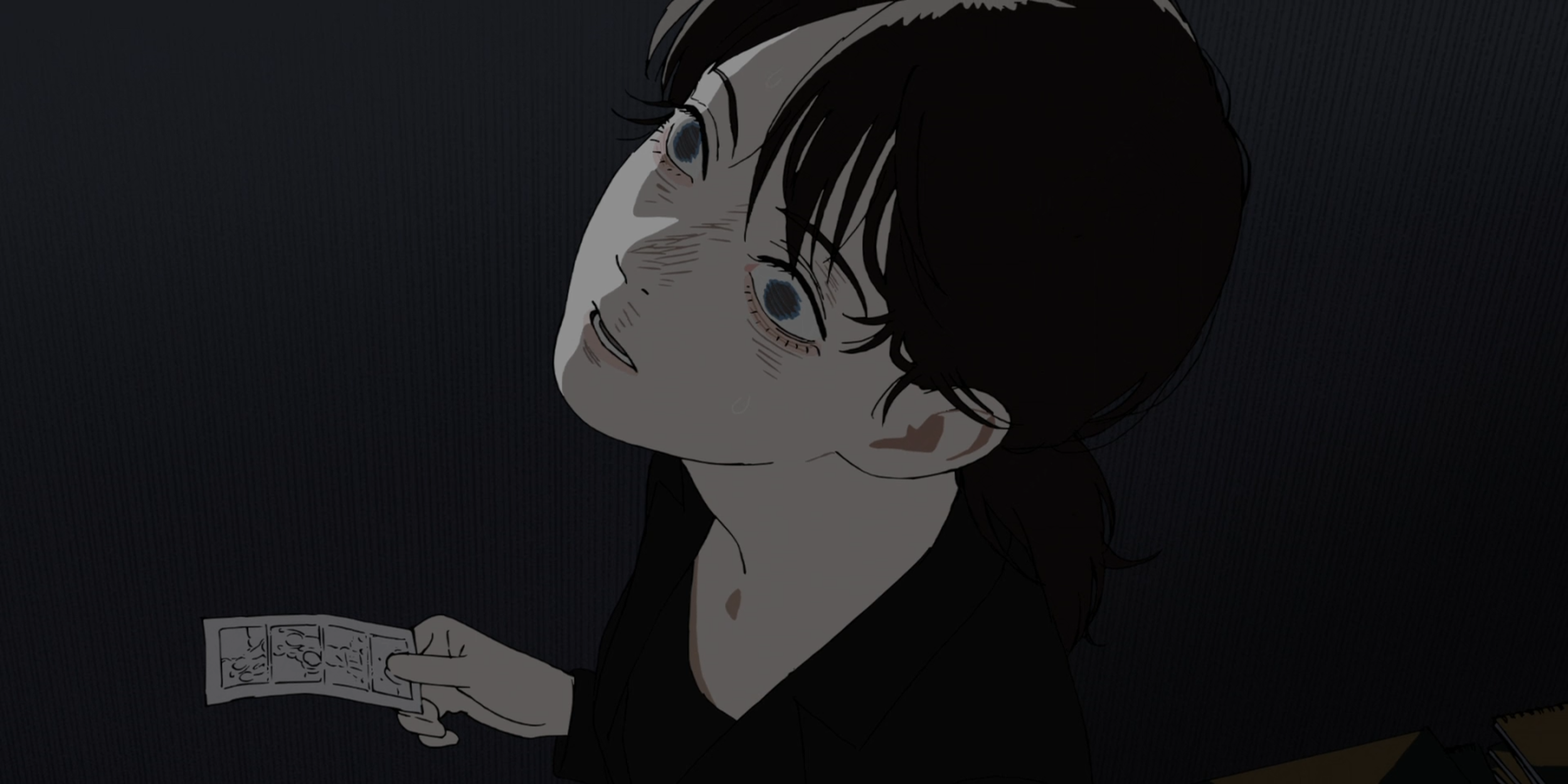
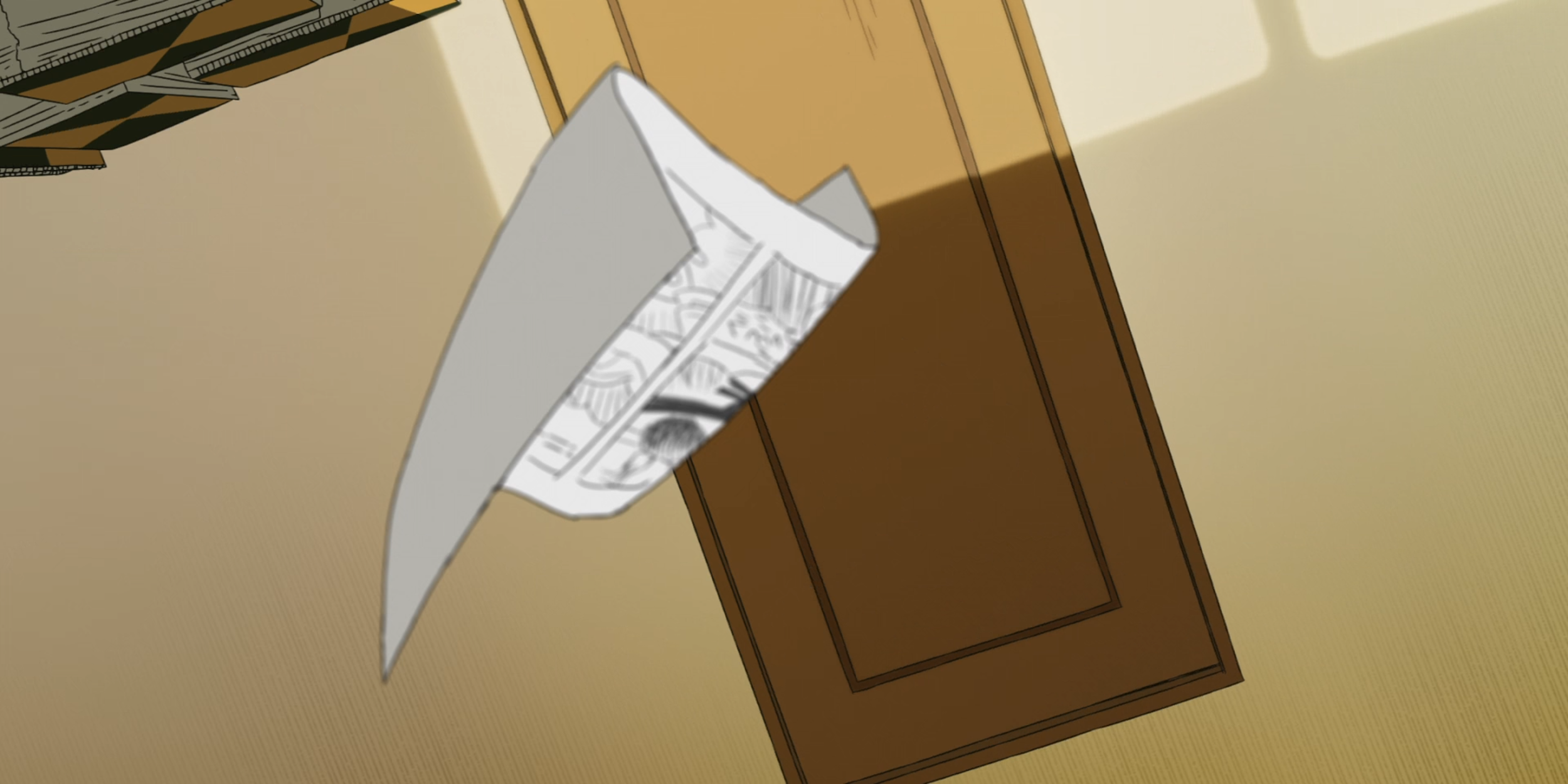
Finally the alternate reality scene could symbolize the beauty of anime in revising realities or illustrate the fact that they would have become anime artists anyway. By demonstrating that they would end up as anime artists in other timelines, it suggests that the anime journey is destined and there was never really any choice because it’s what you love, or at least were destined to do. The alternate reality giving a 4 panel strip back to Fujino is ultimately the epiphany that gives motivation to keep drawing, whether it’s a personal allegory or metaphor.
Conclusion:
This is a niche anime film and a pretty short one just under an hour. I don’t think it’s a particular accessible film, rather a self indulgent and vulnerable confession from the brilliant creator. Those that don’t get it will probably not like it, and you wouldn’t be blamed for it. But it’s clear from Fujimoto’s contemporary writing that this is the beginning of a new era of anime storytelling. Mark my words, Fujimoto is destined for cinematic greatness even if it’s disguised through mainstream shonen.
Recommendations



Where does the love of manga take us?